The Story
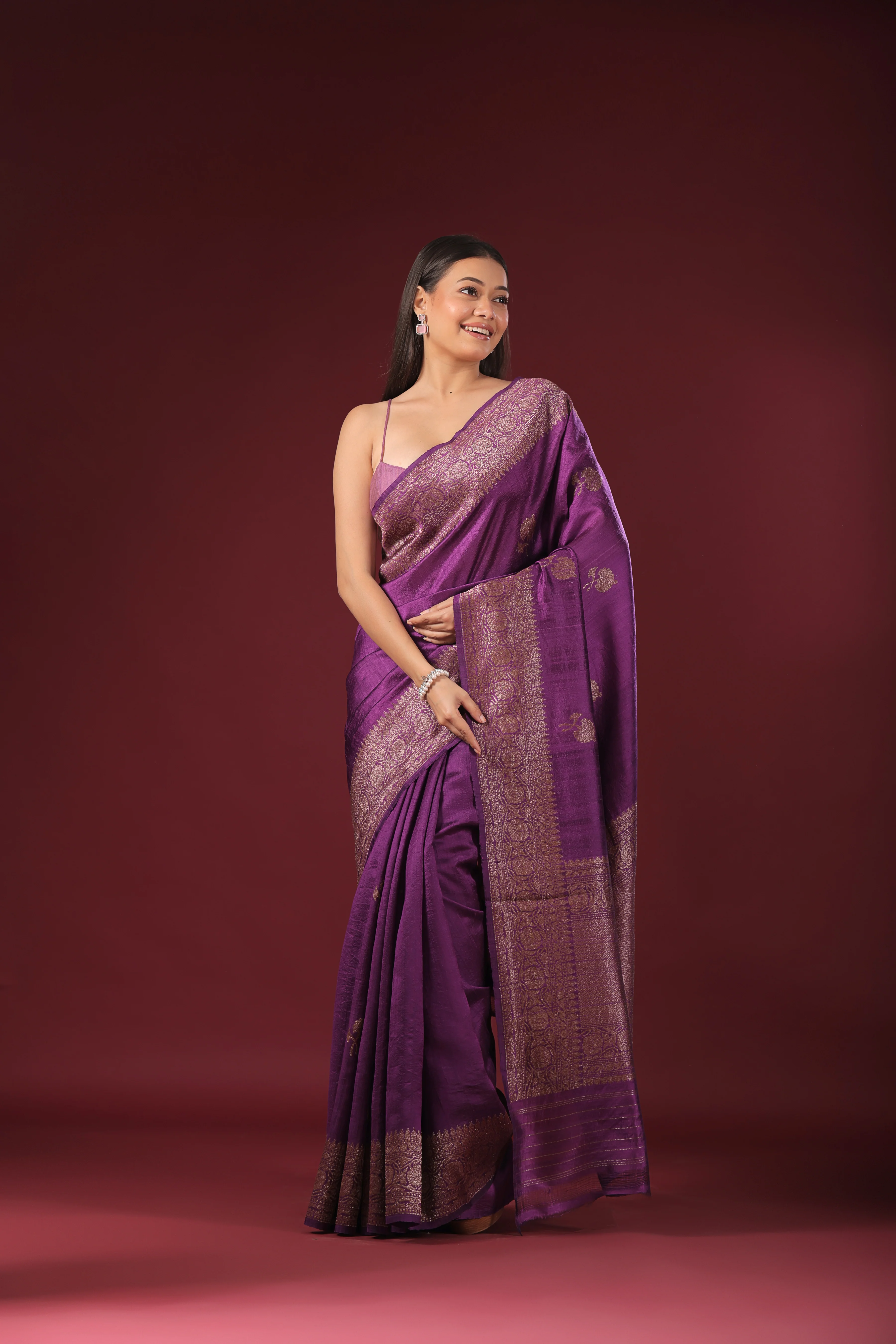
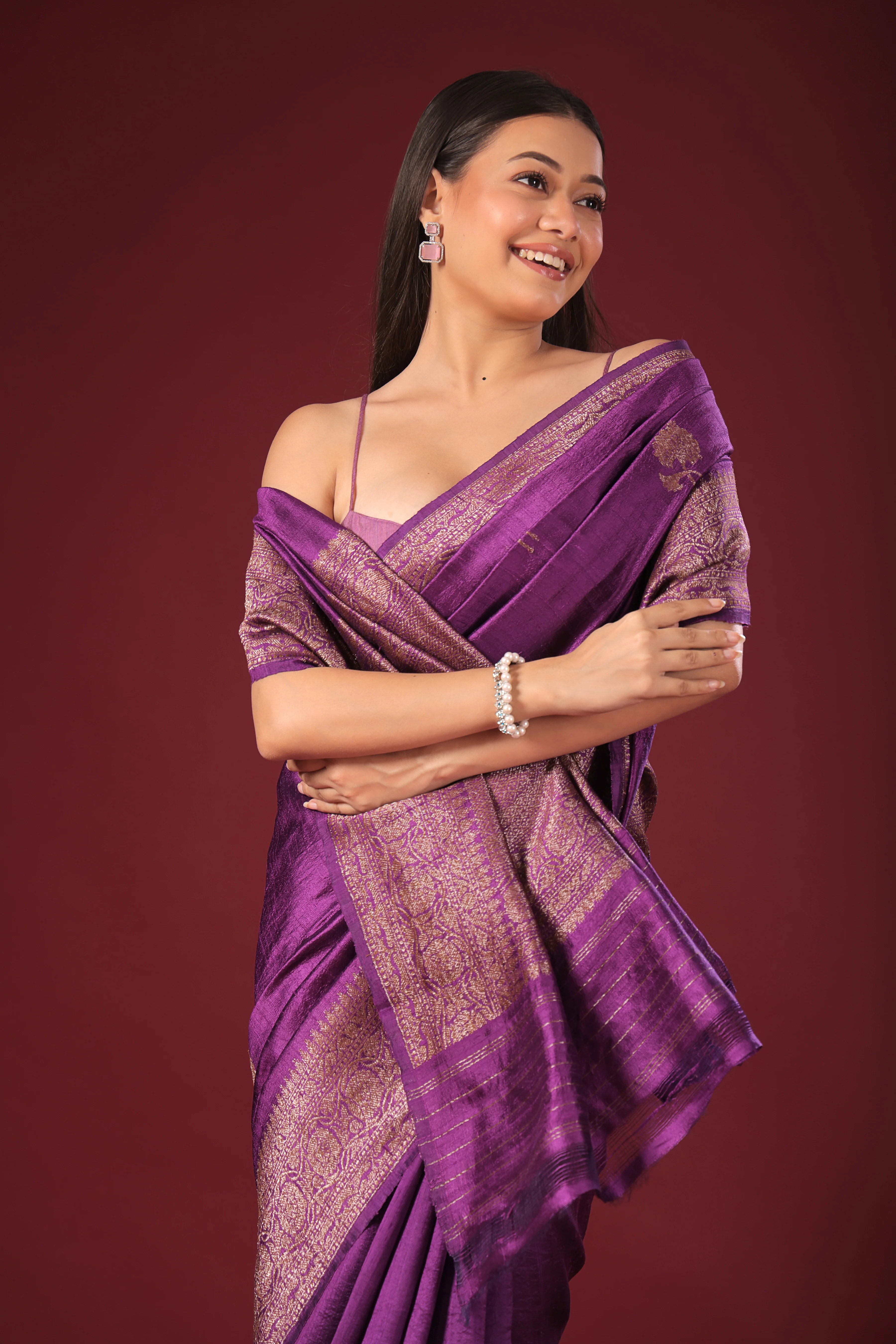
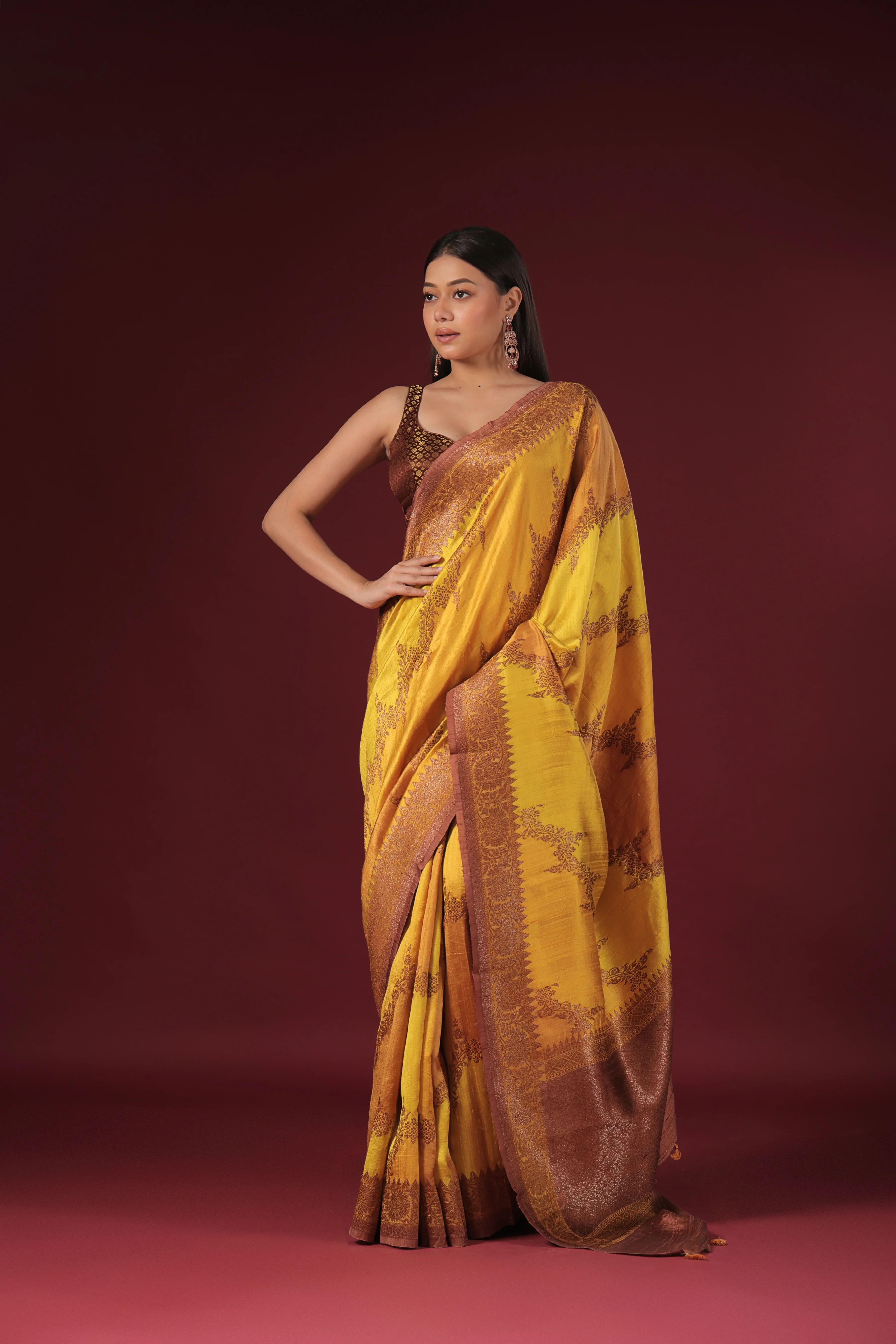
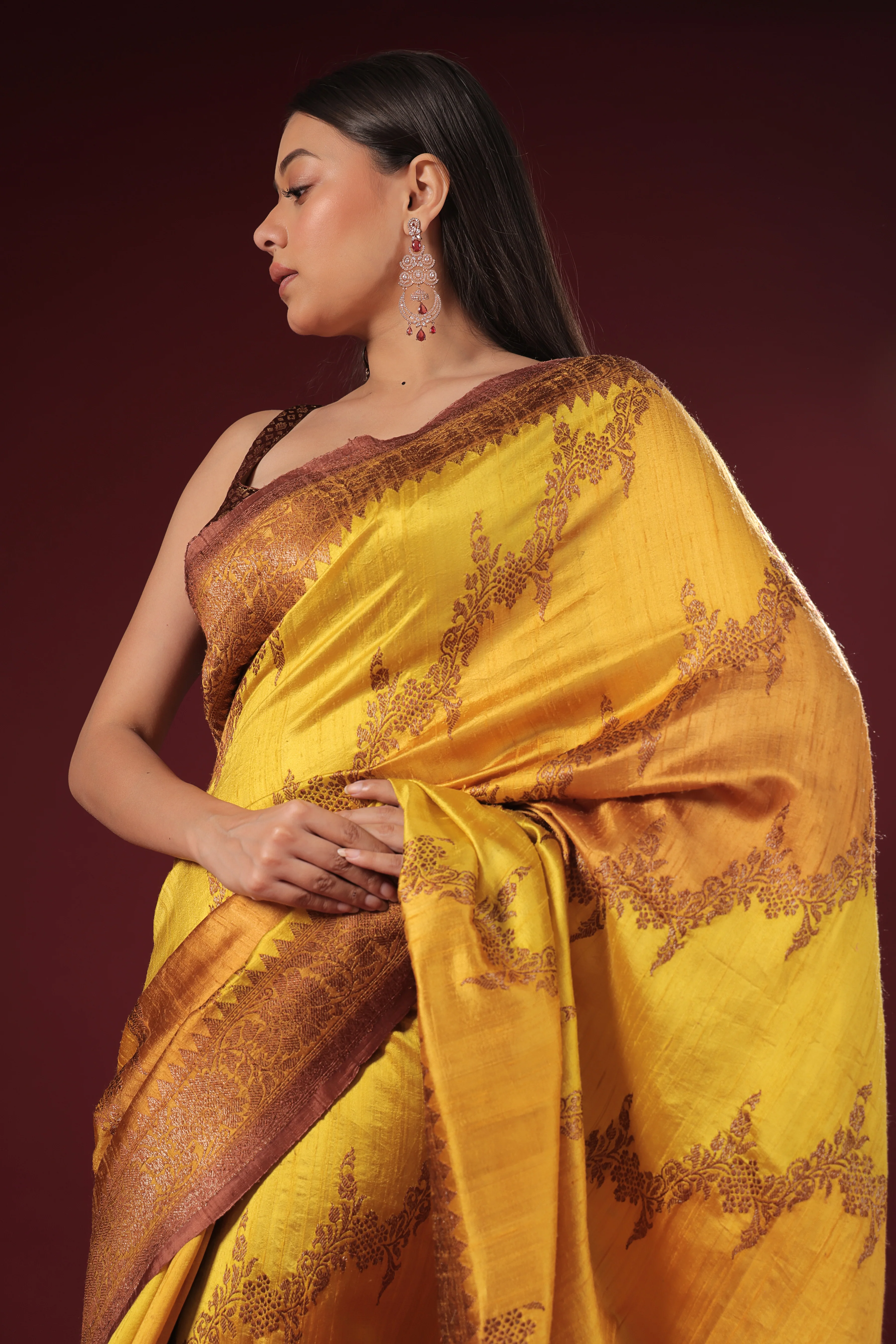
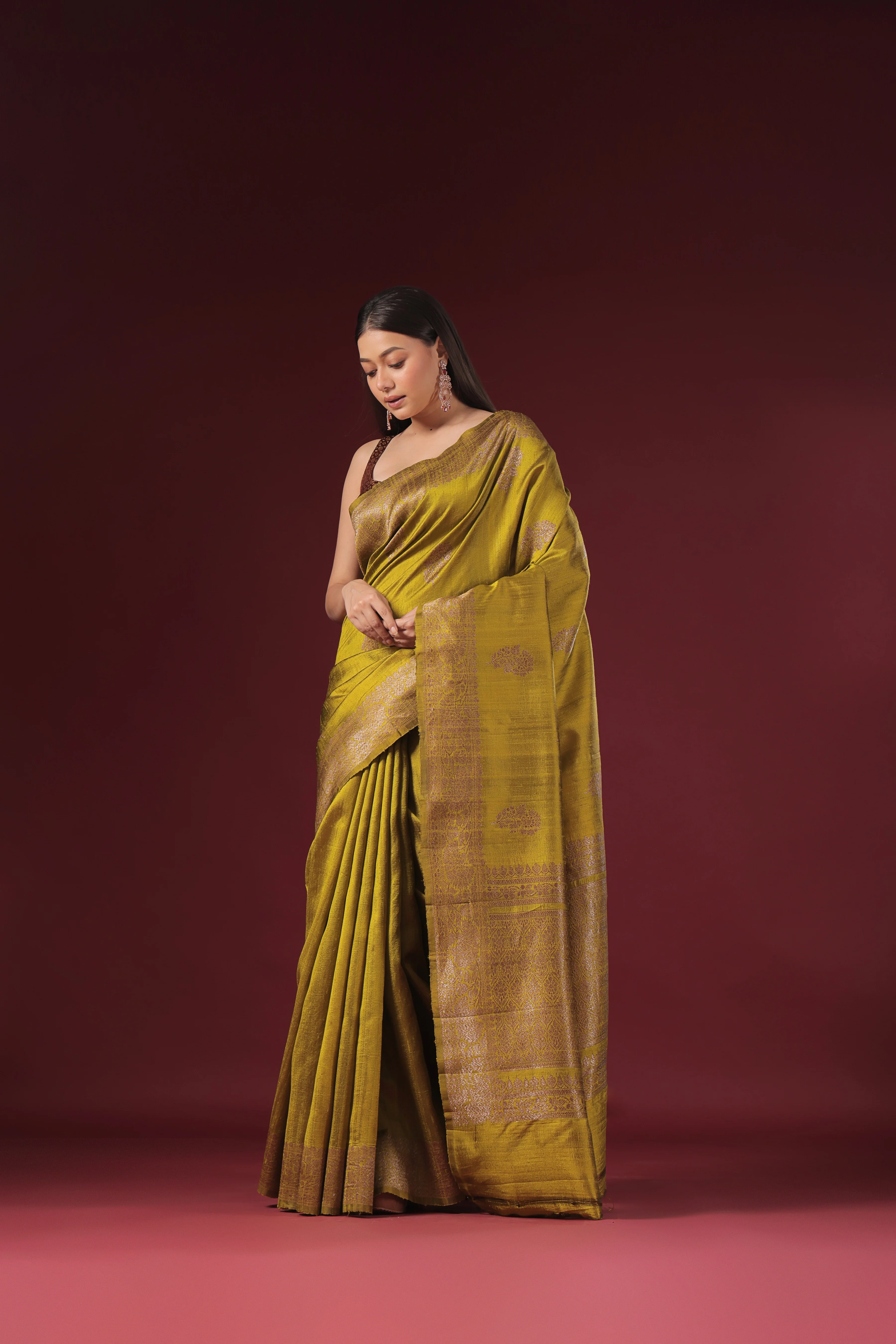
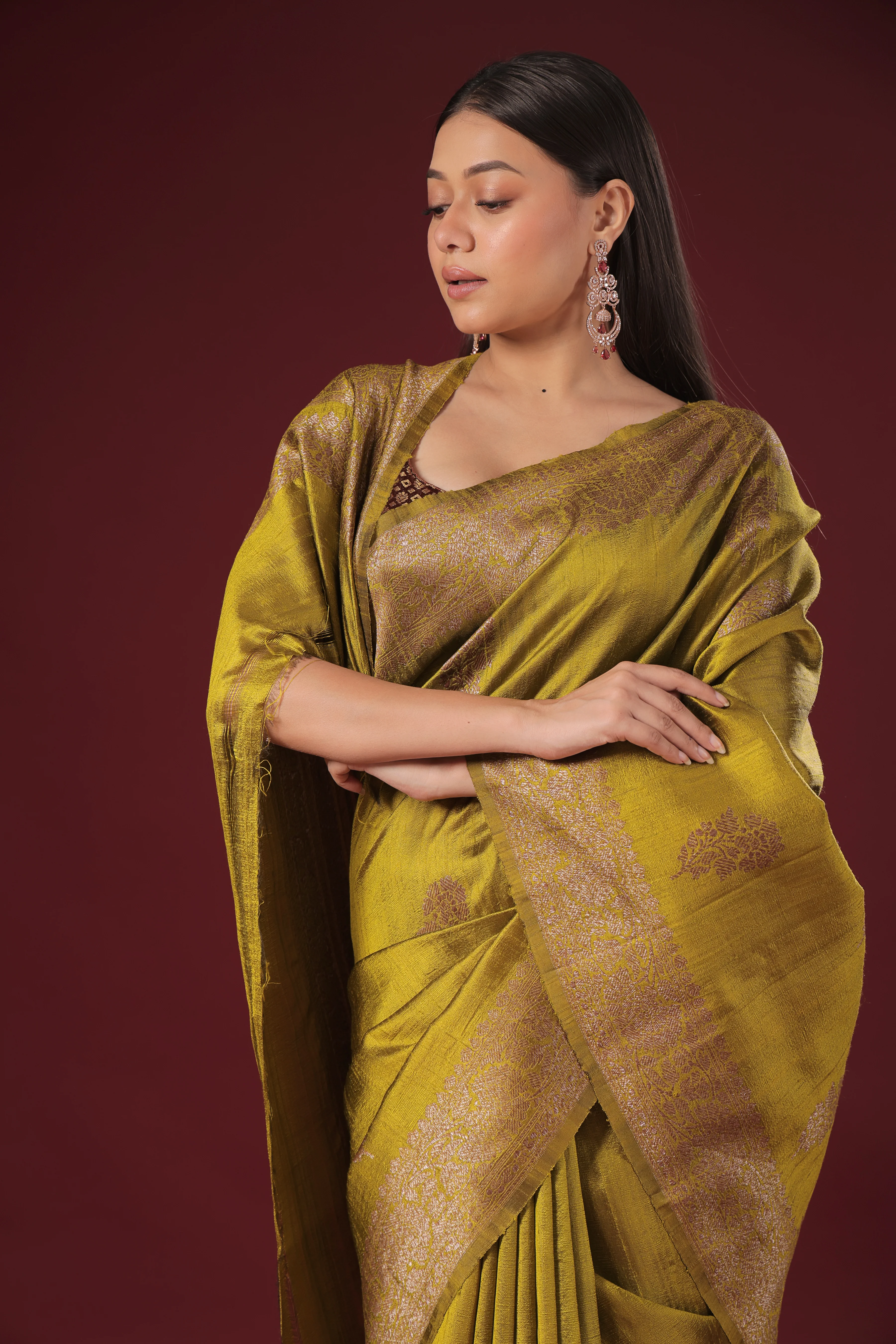
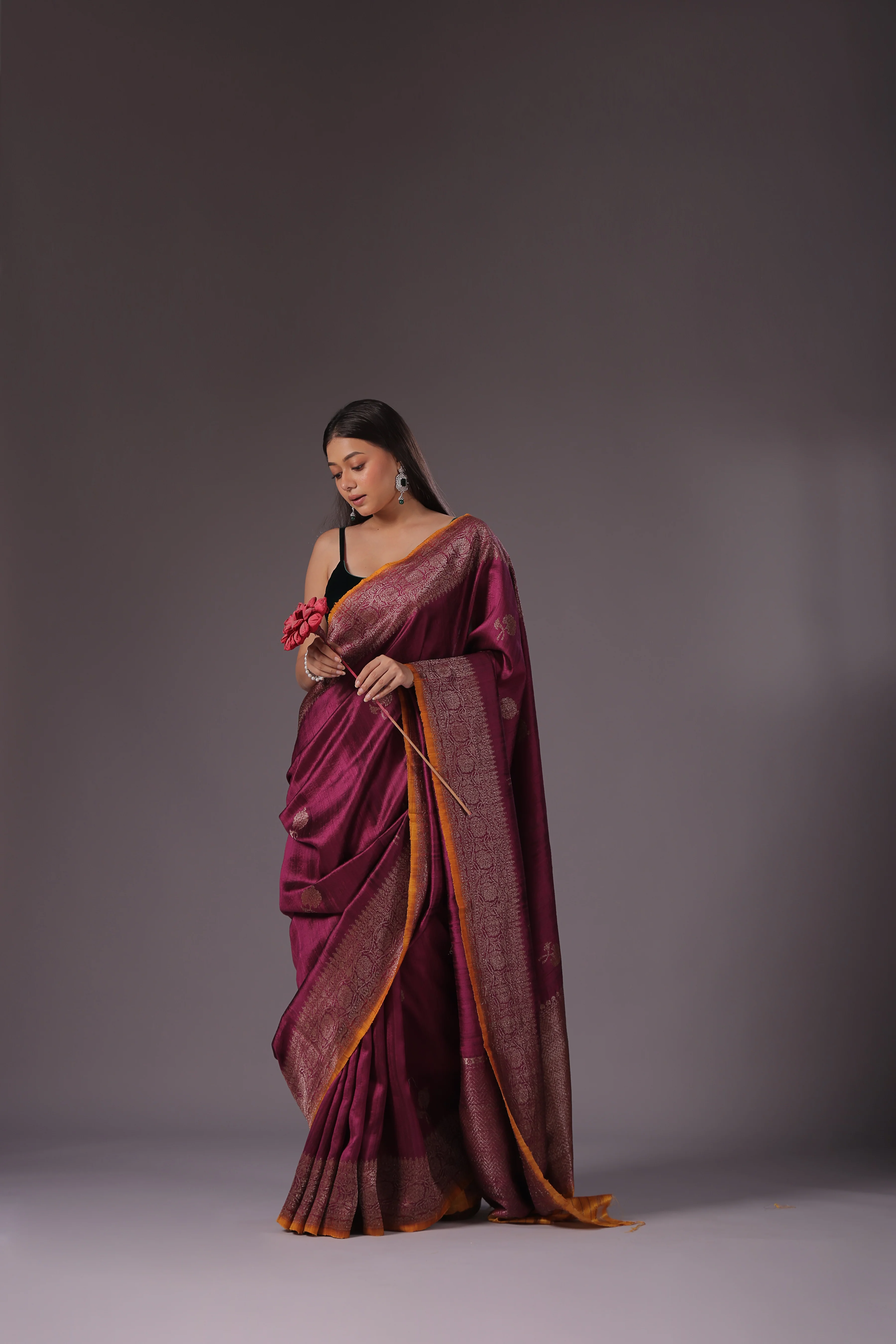
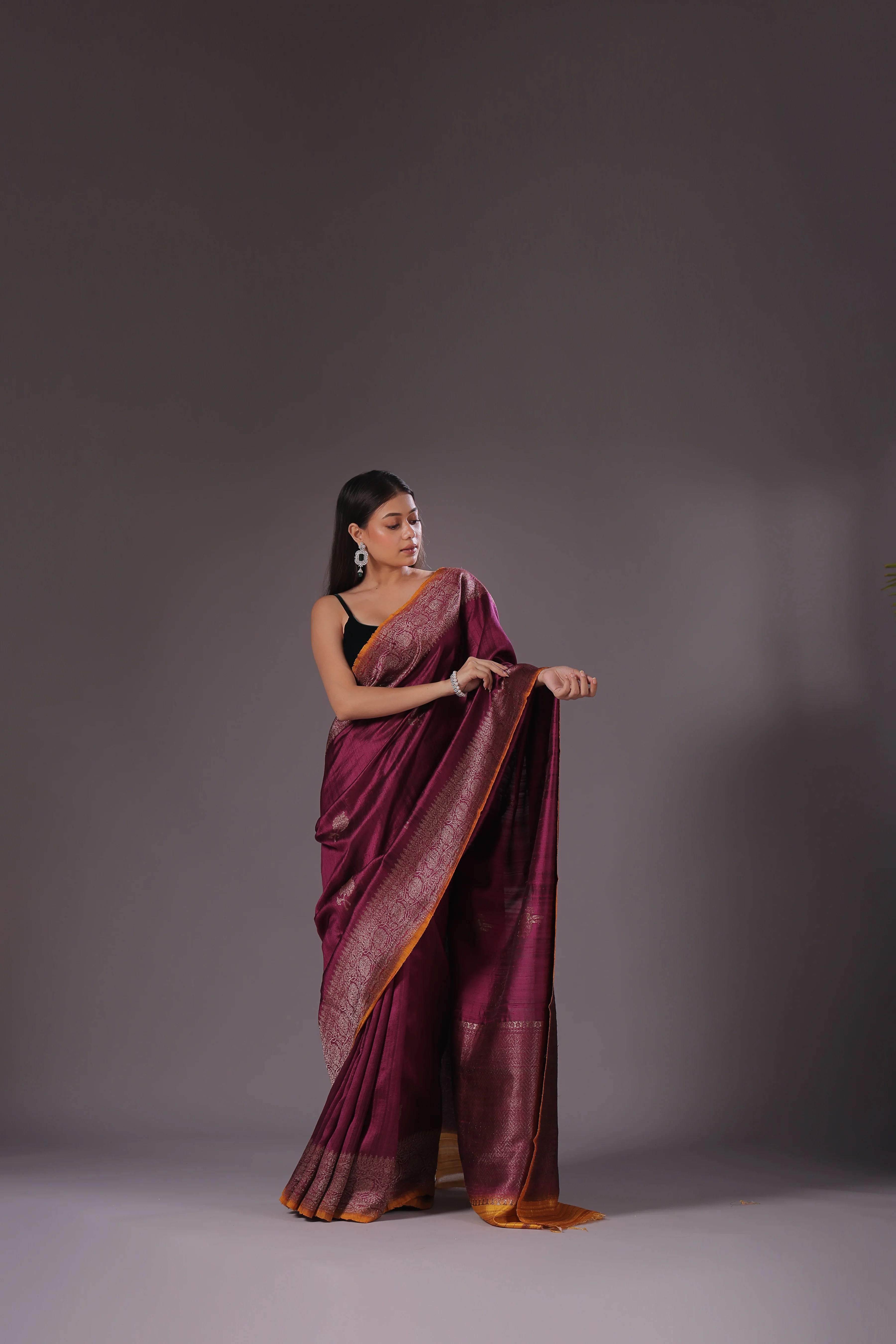
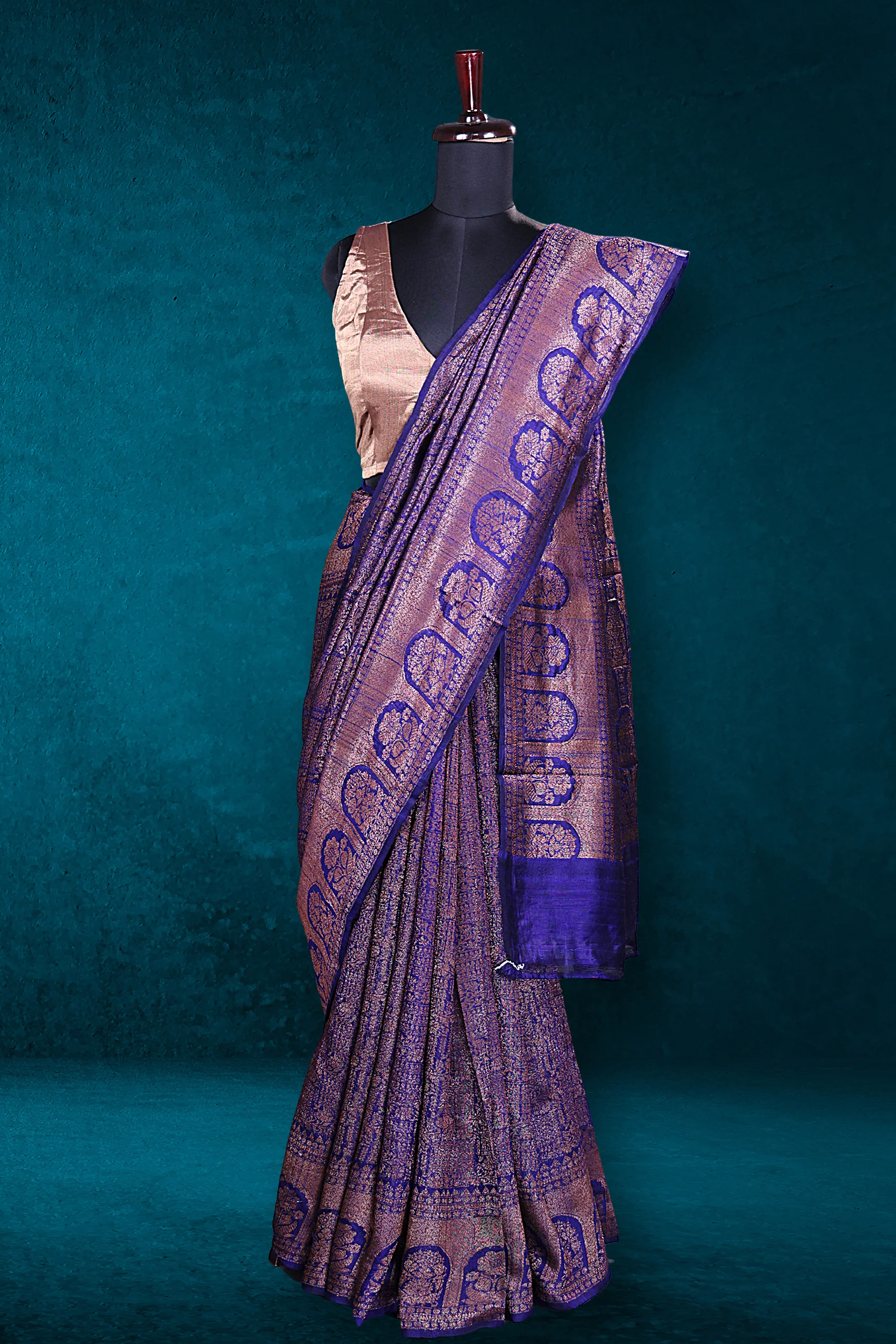
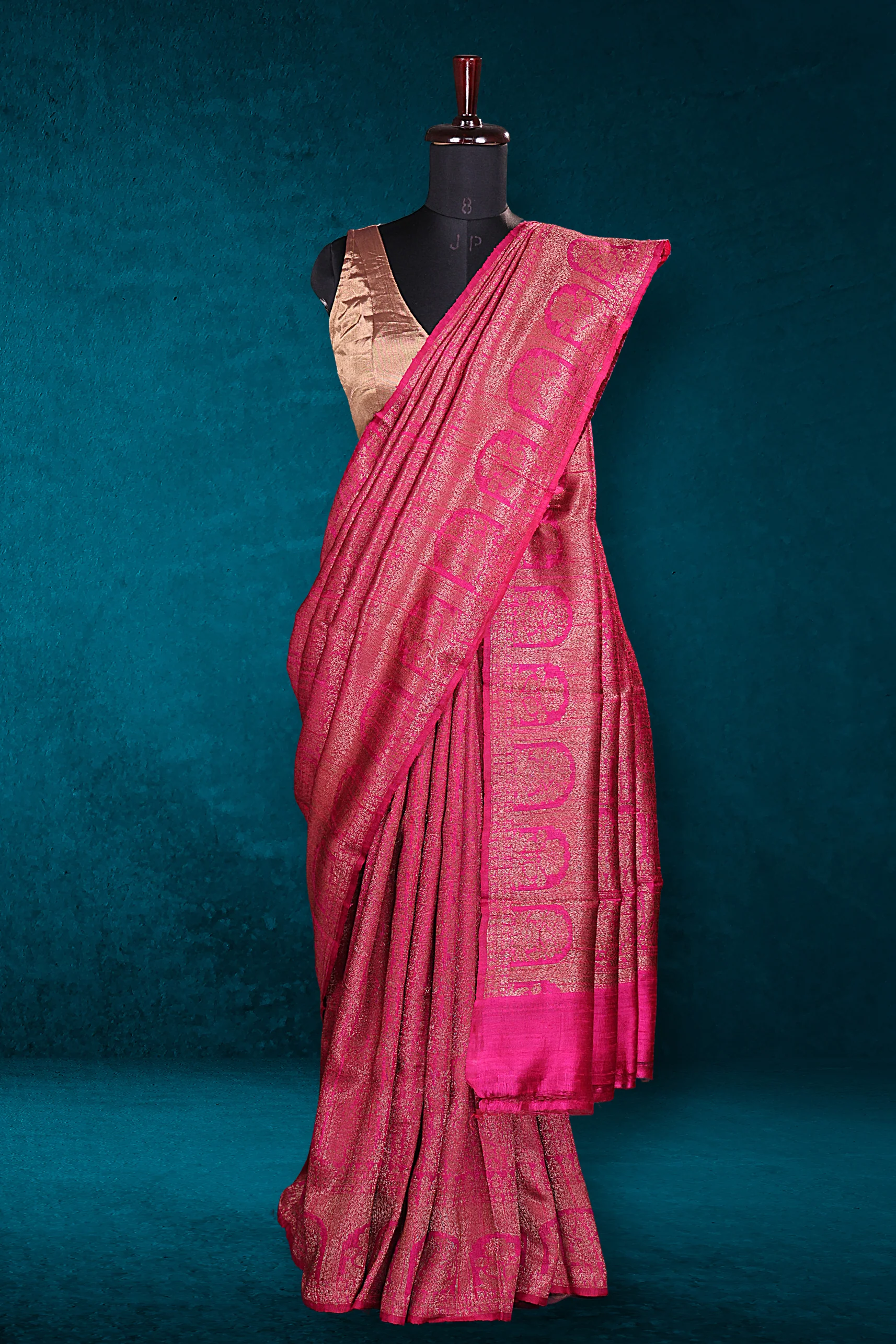
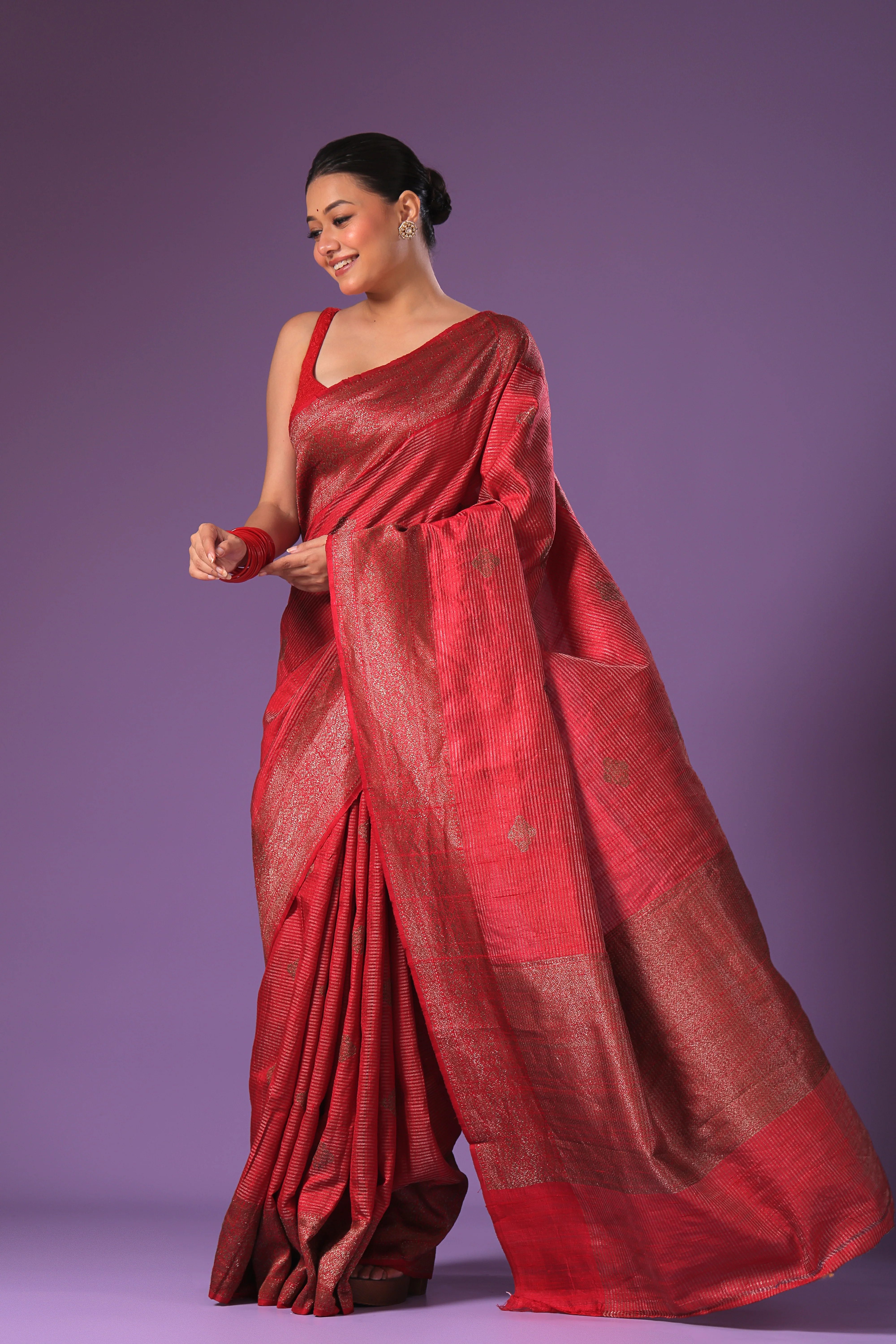
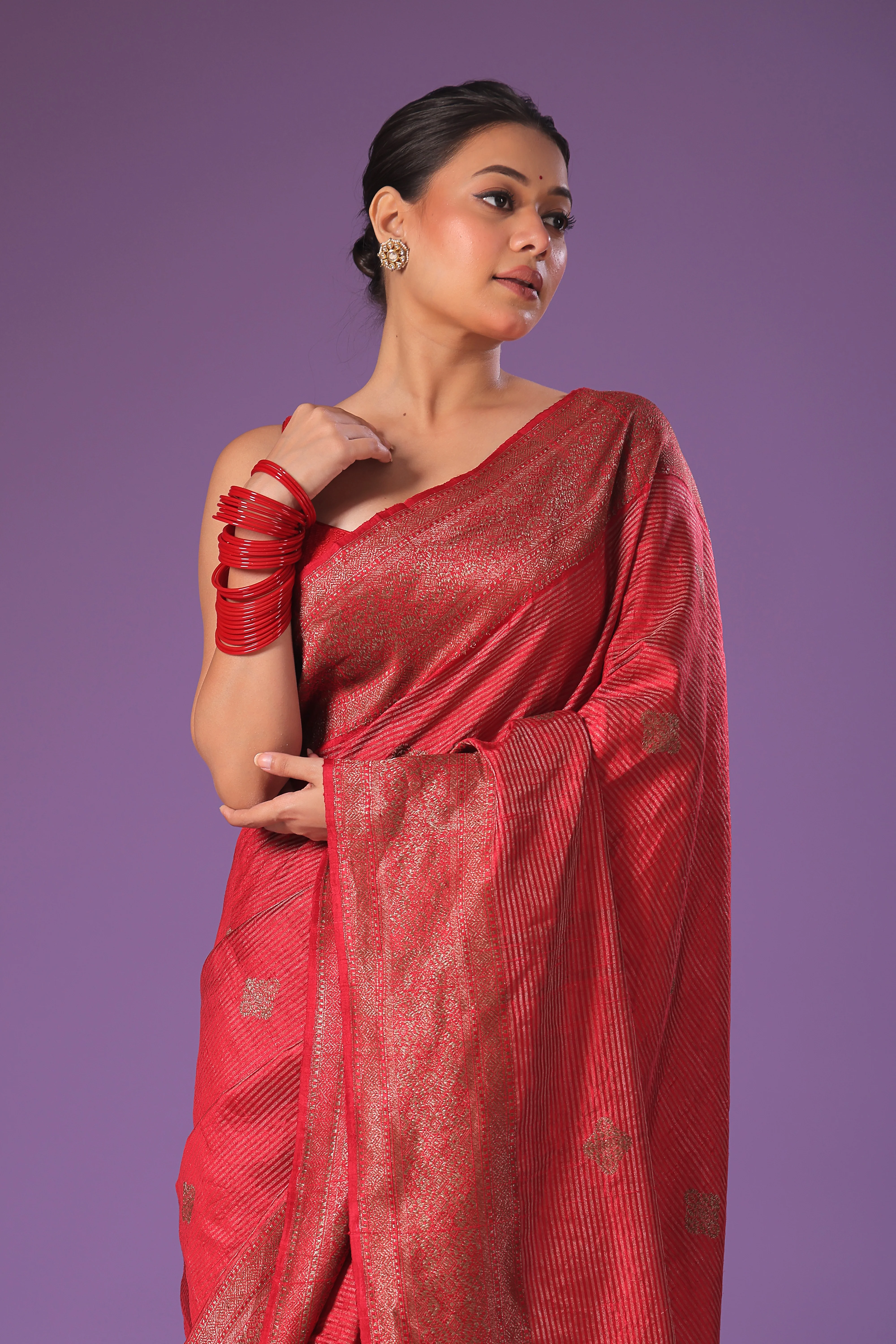
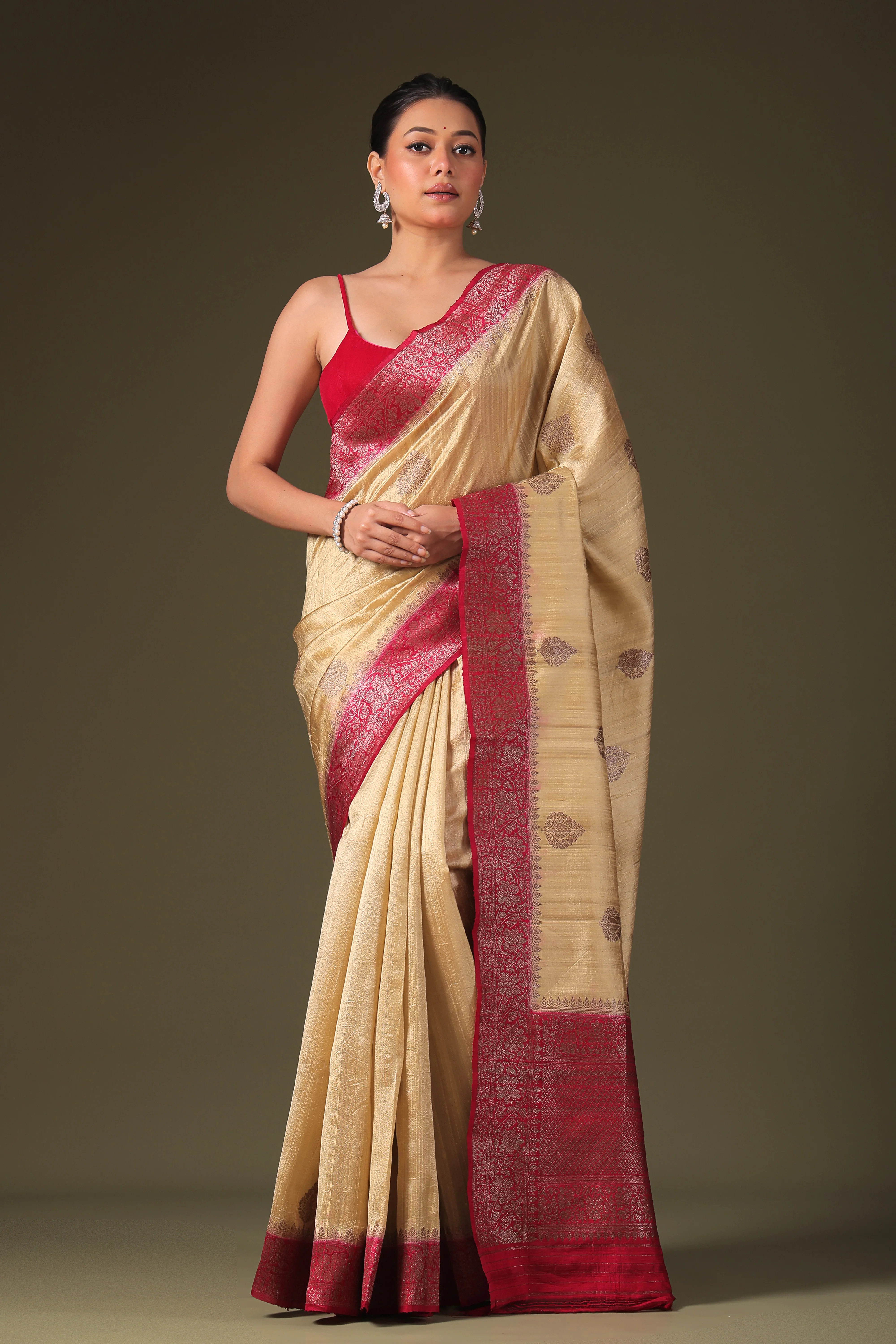
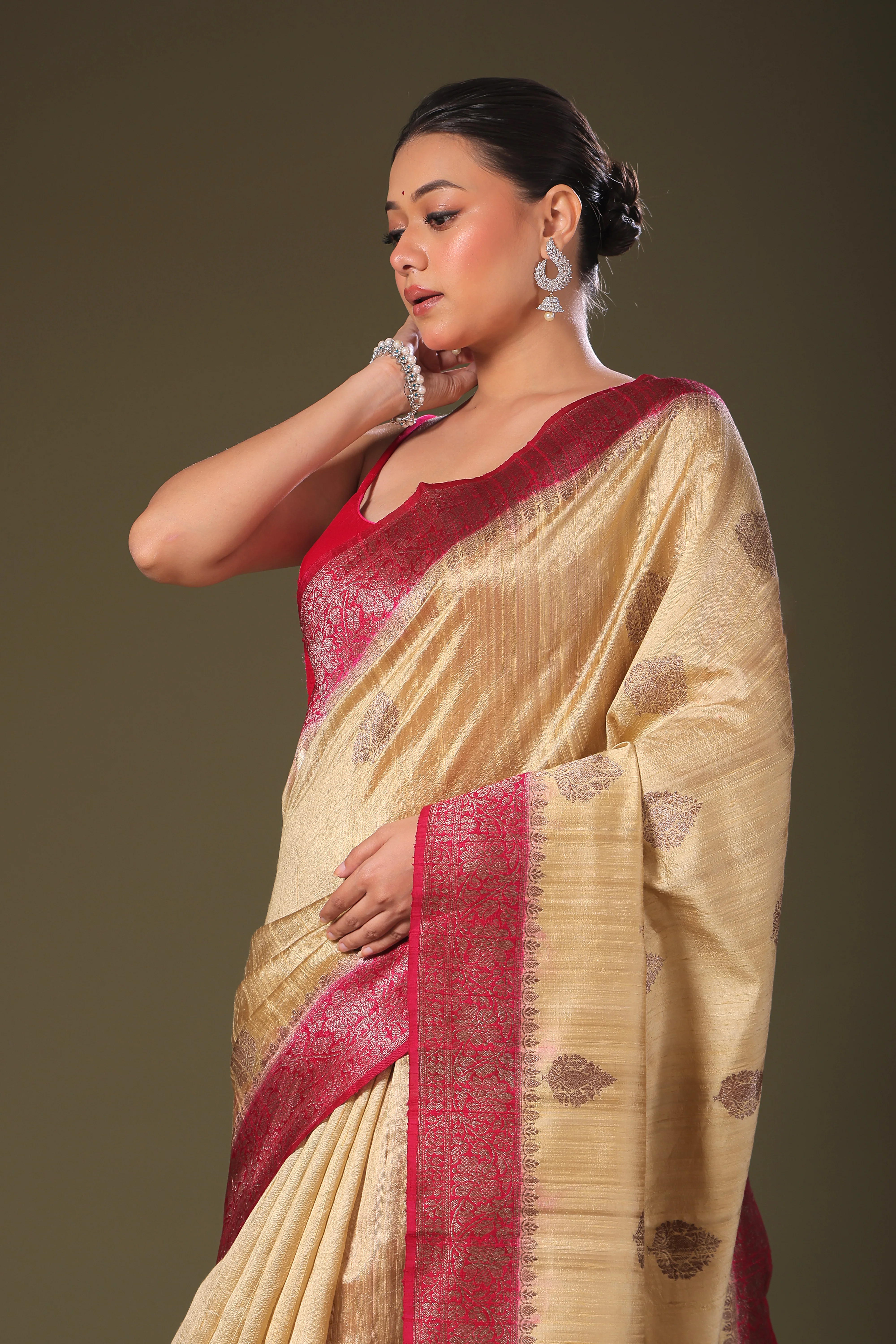
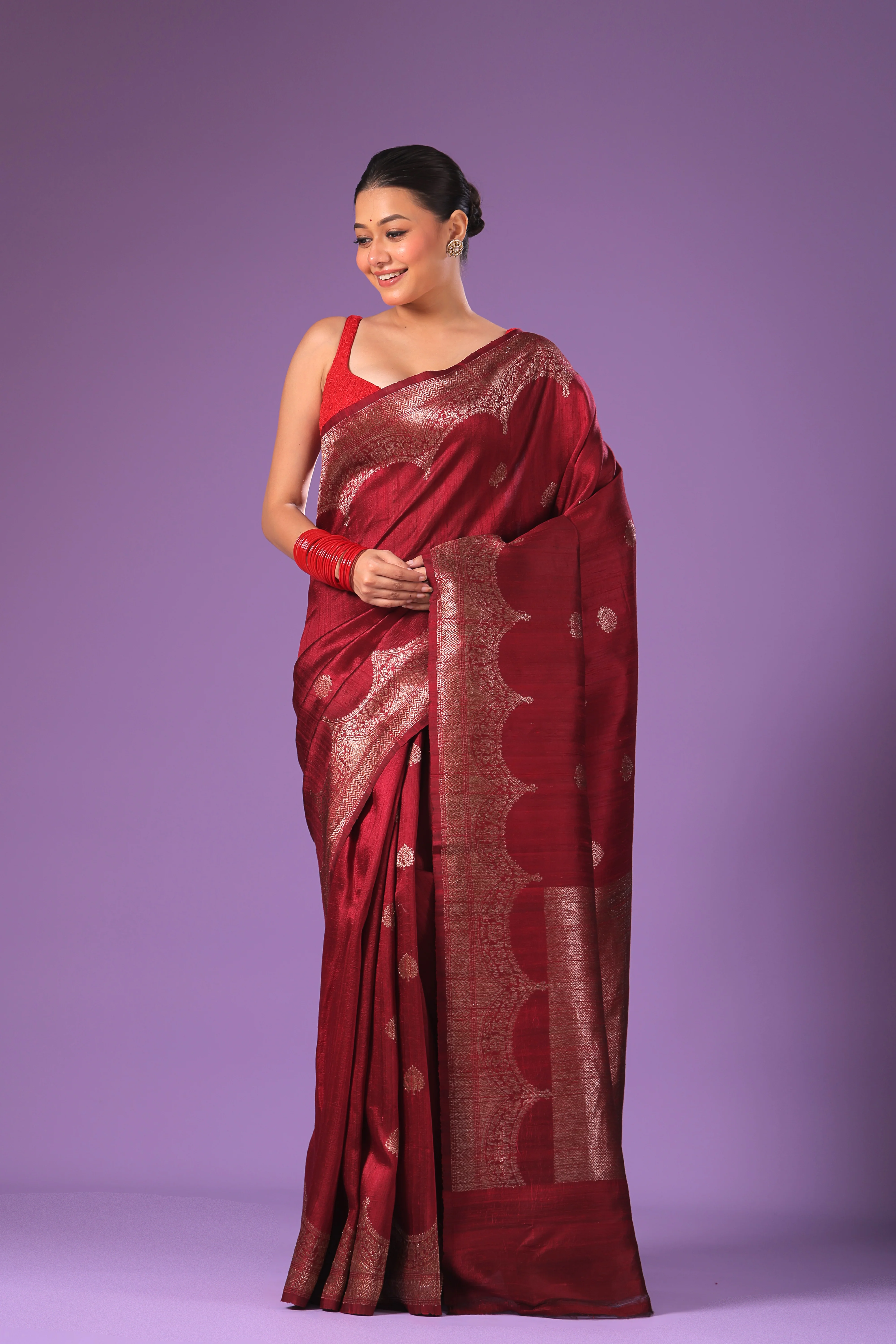
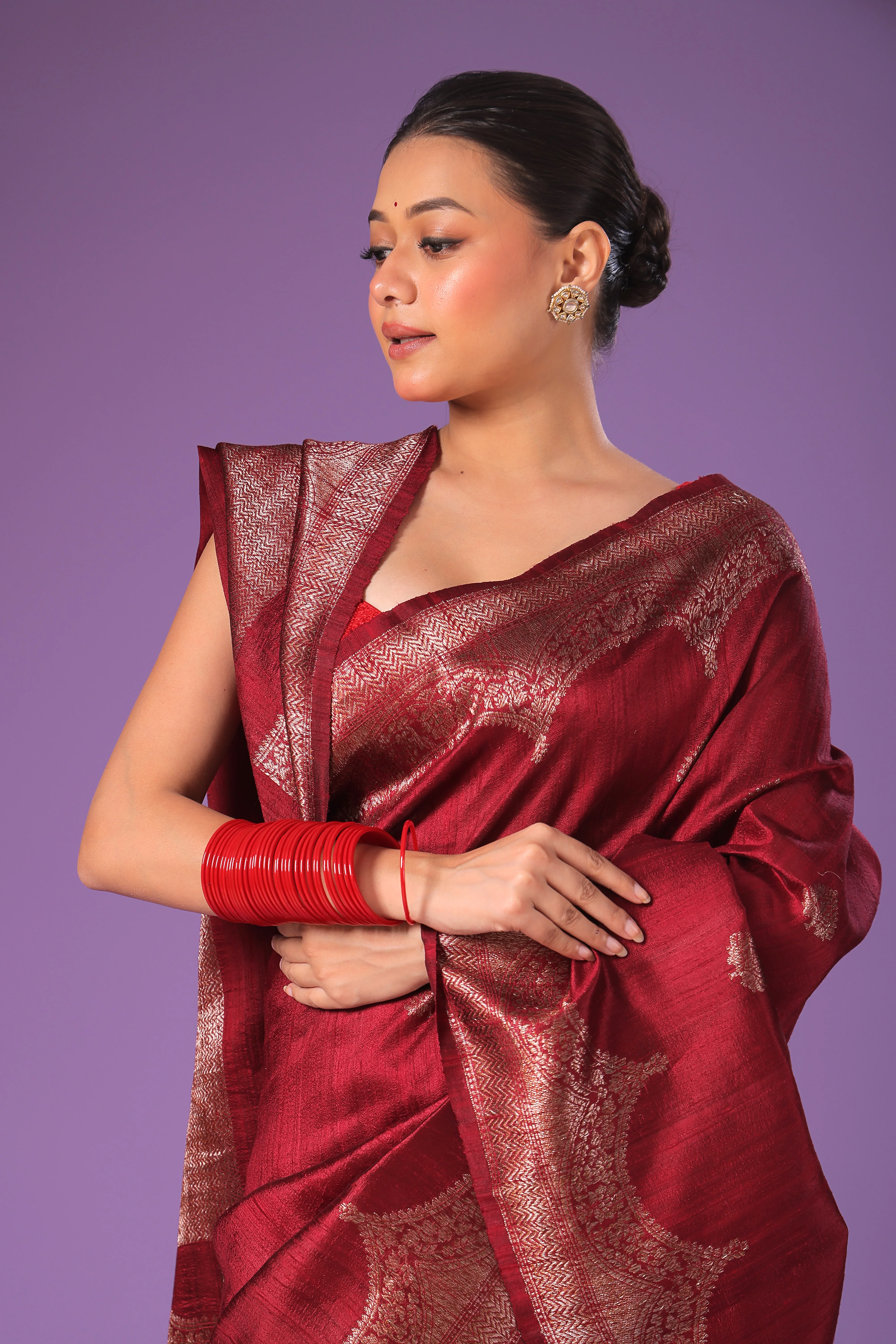
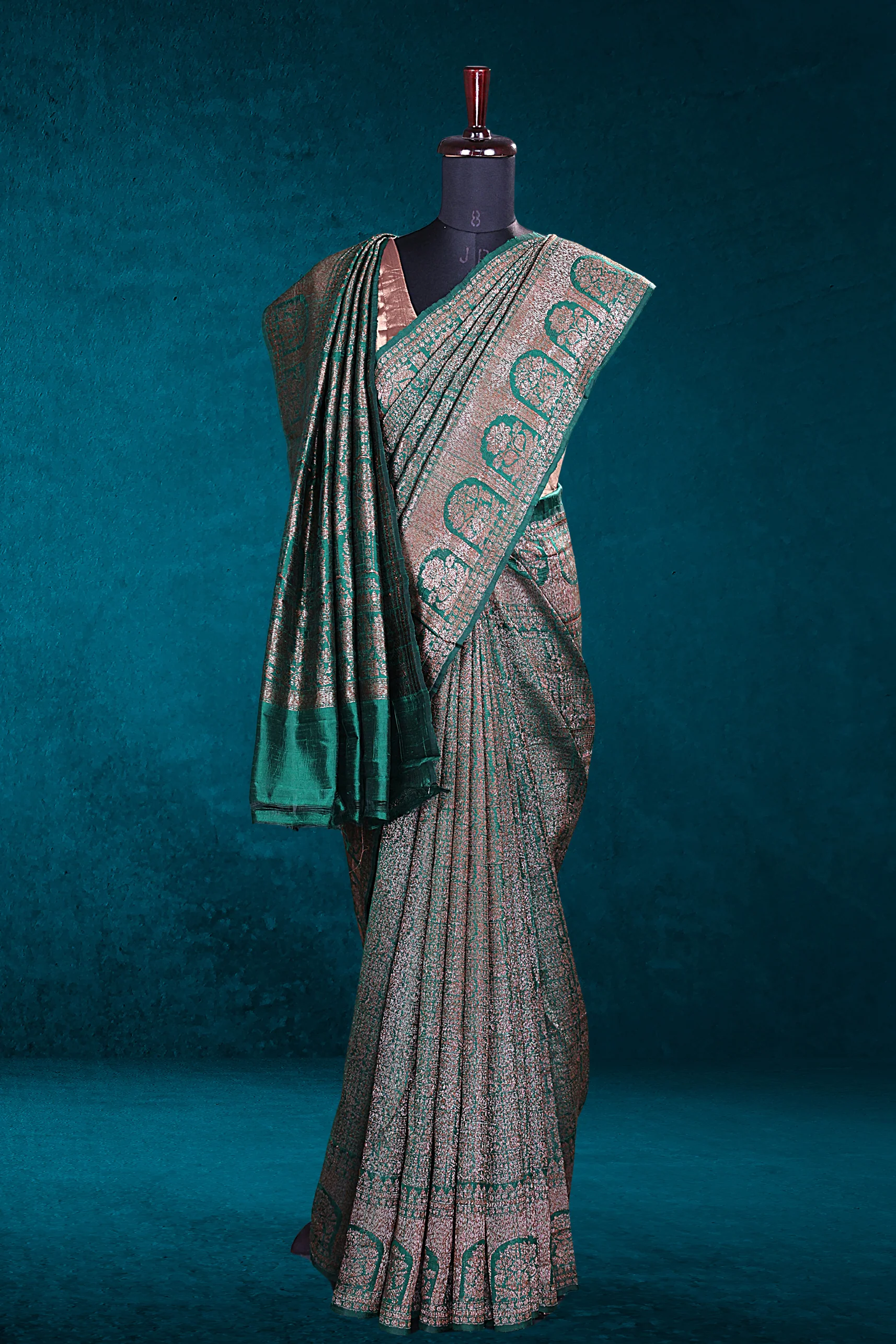
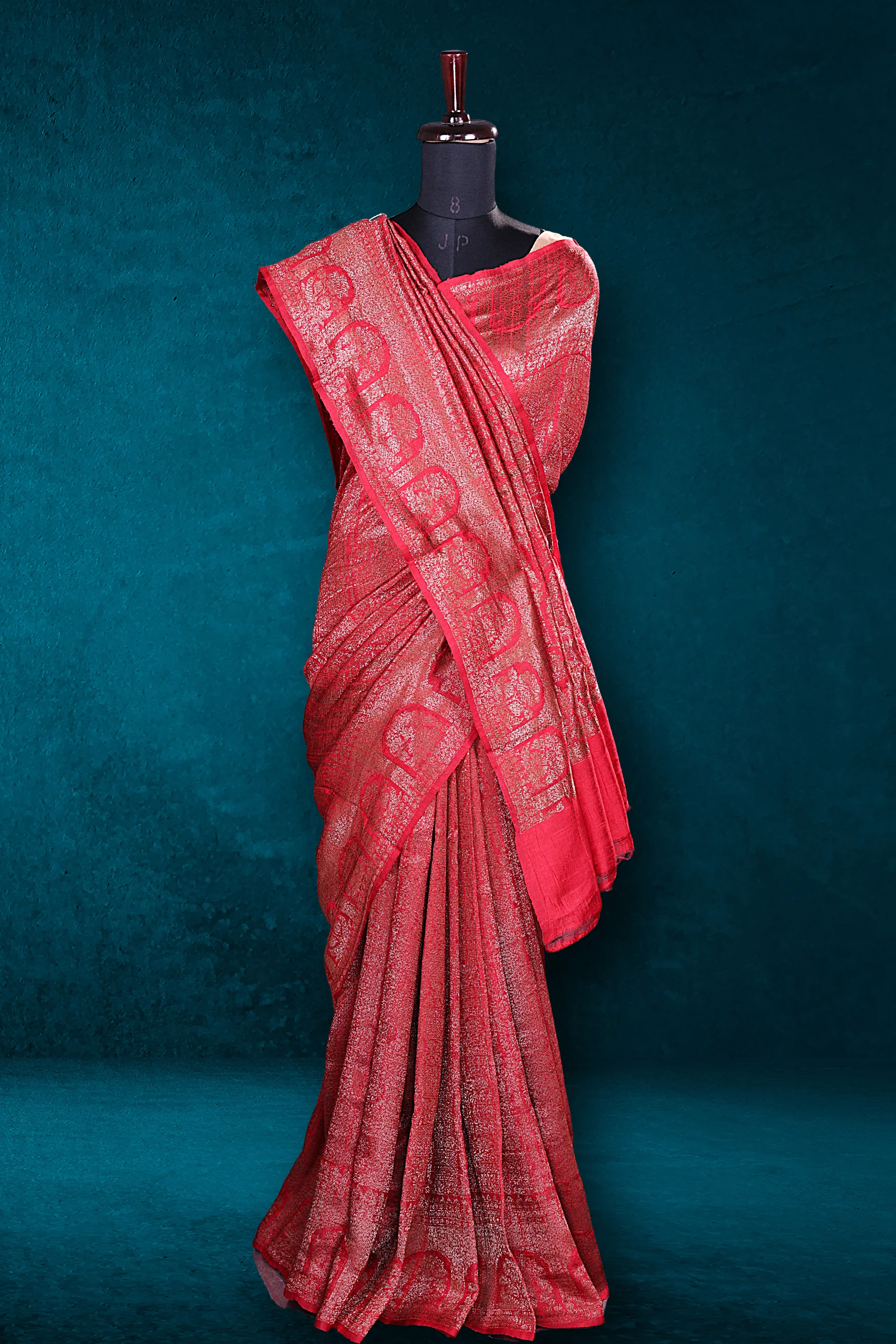
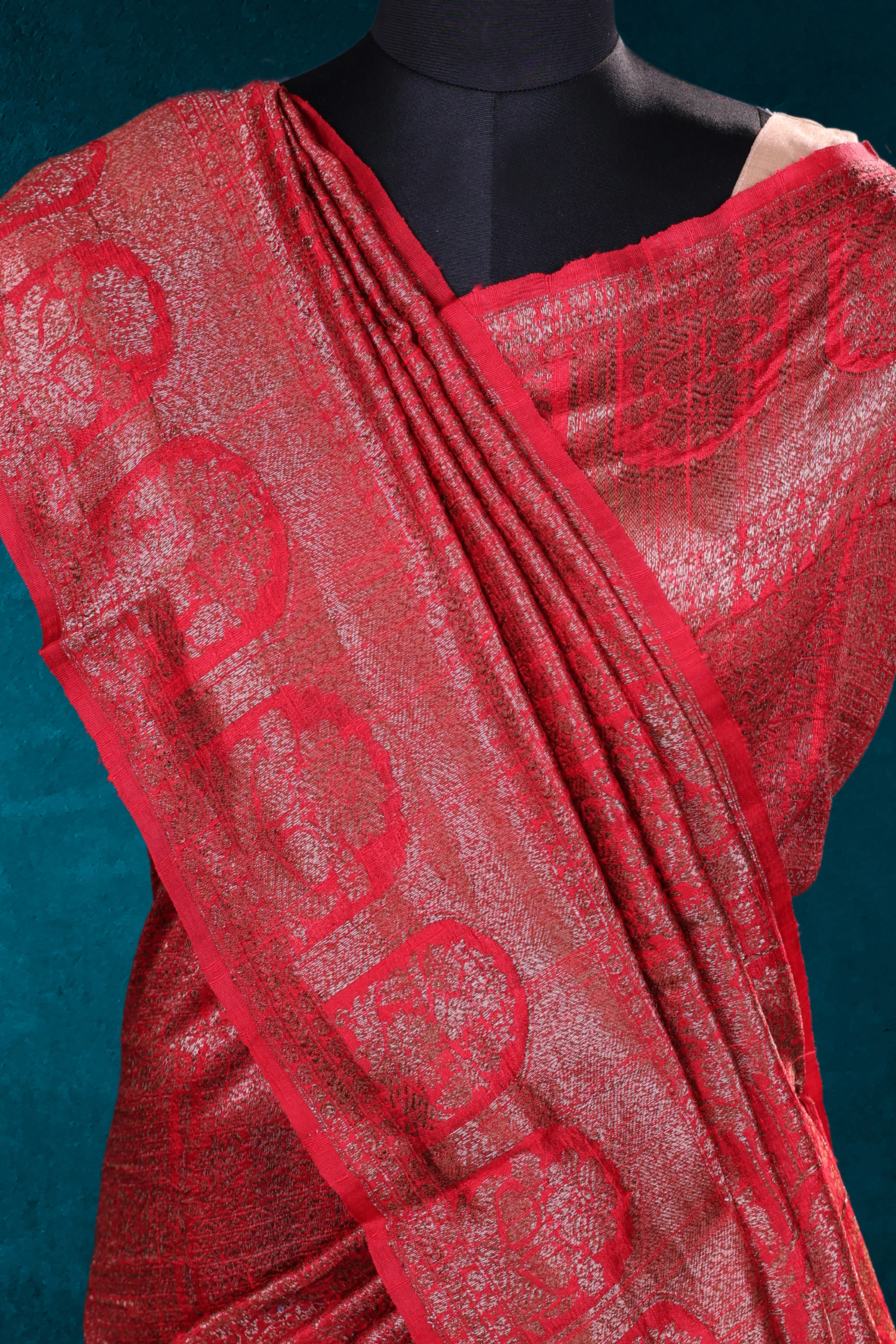
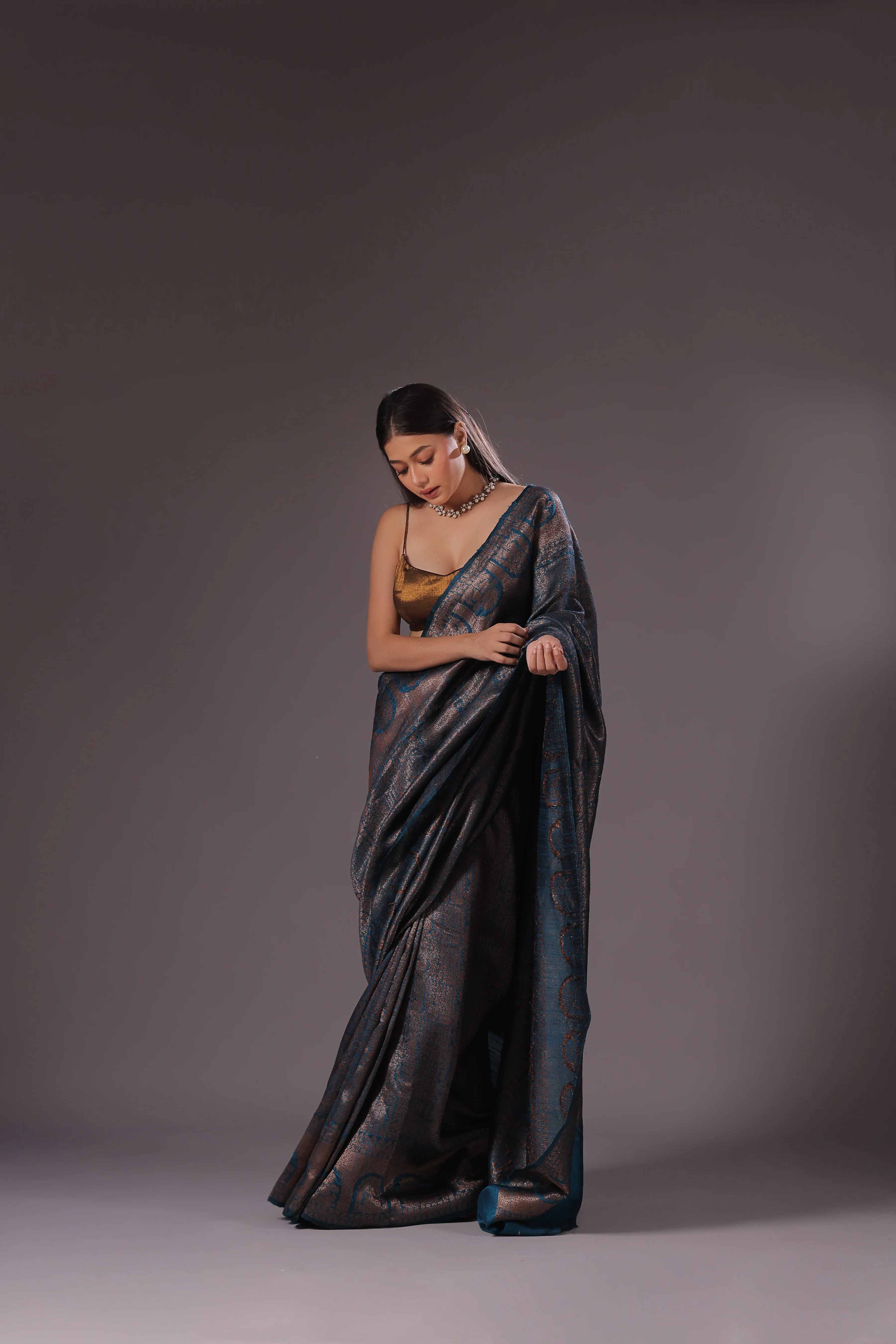
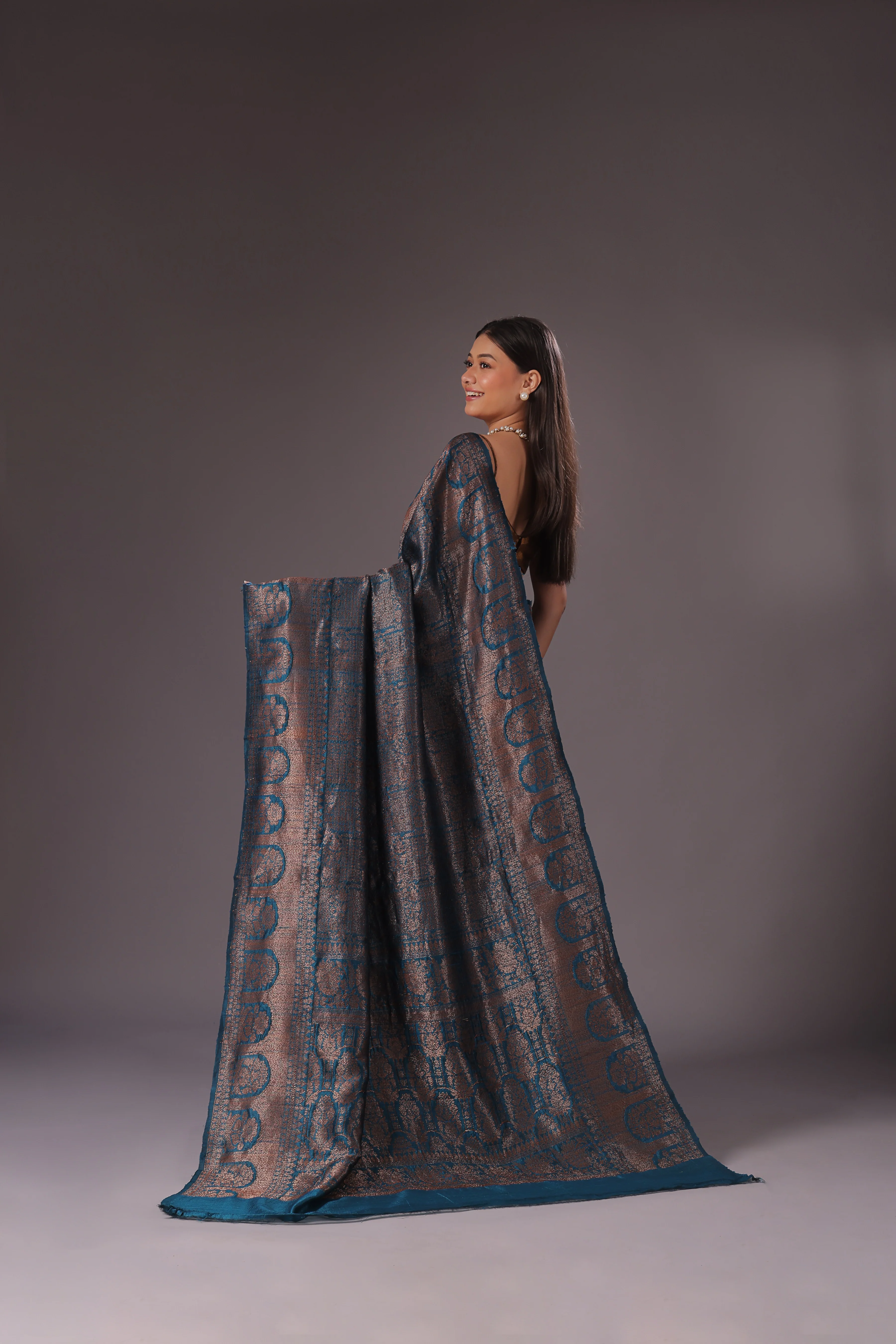
"Raw Silk Banarasi" is a combination of the natural texture of raw silk and the intricate, traditional weaving of Banarasi craftsmanship. This fabric is renowned for its understated elegance and luxurious finish, making it a perfect blend of simplicity and tradition.
What is Raw Silk?
- Raw silk is silk in its natural, unrefined form, with a slightly coarse texture and a matte finish.
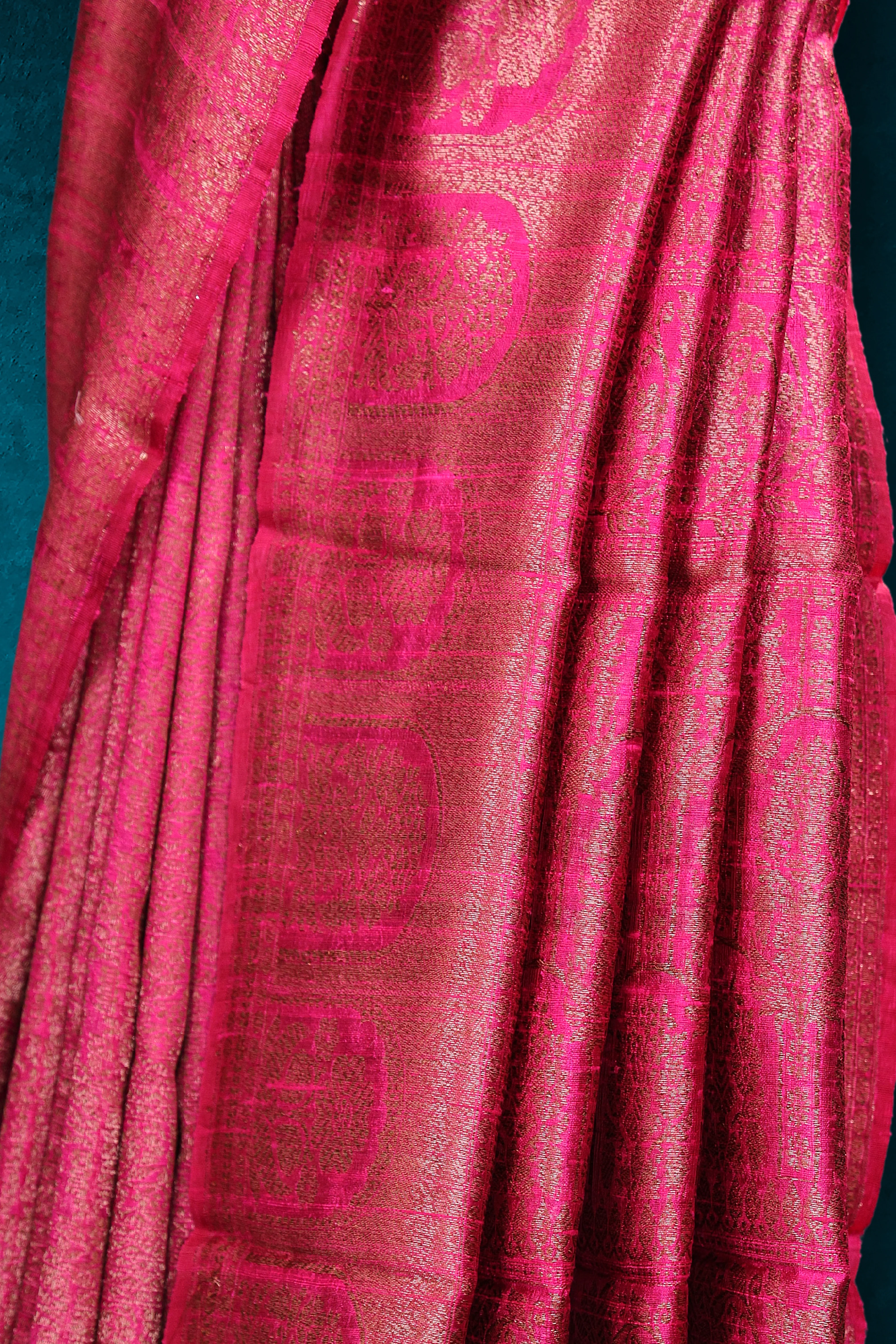
- It has a rich, natural sheen without the glossy appearance of fully processed silk.
- Known for its durability and breathable quality, raw silk offers both style and comfort.
Features of Raw Silk Banarasi:
-
Matte Elegance:
- The natural finish of raw silk creates a subdued, sophisticated look while still retaining its luxury.
-
Banarasi Weaving:
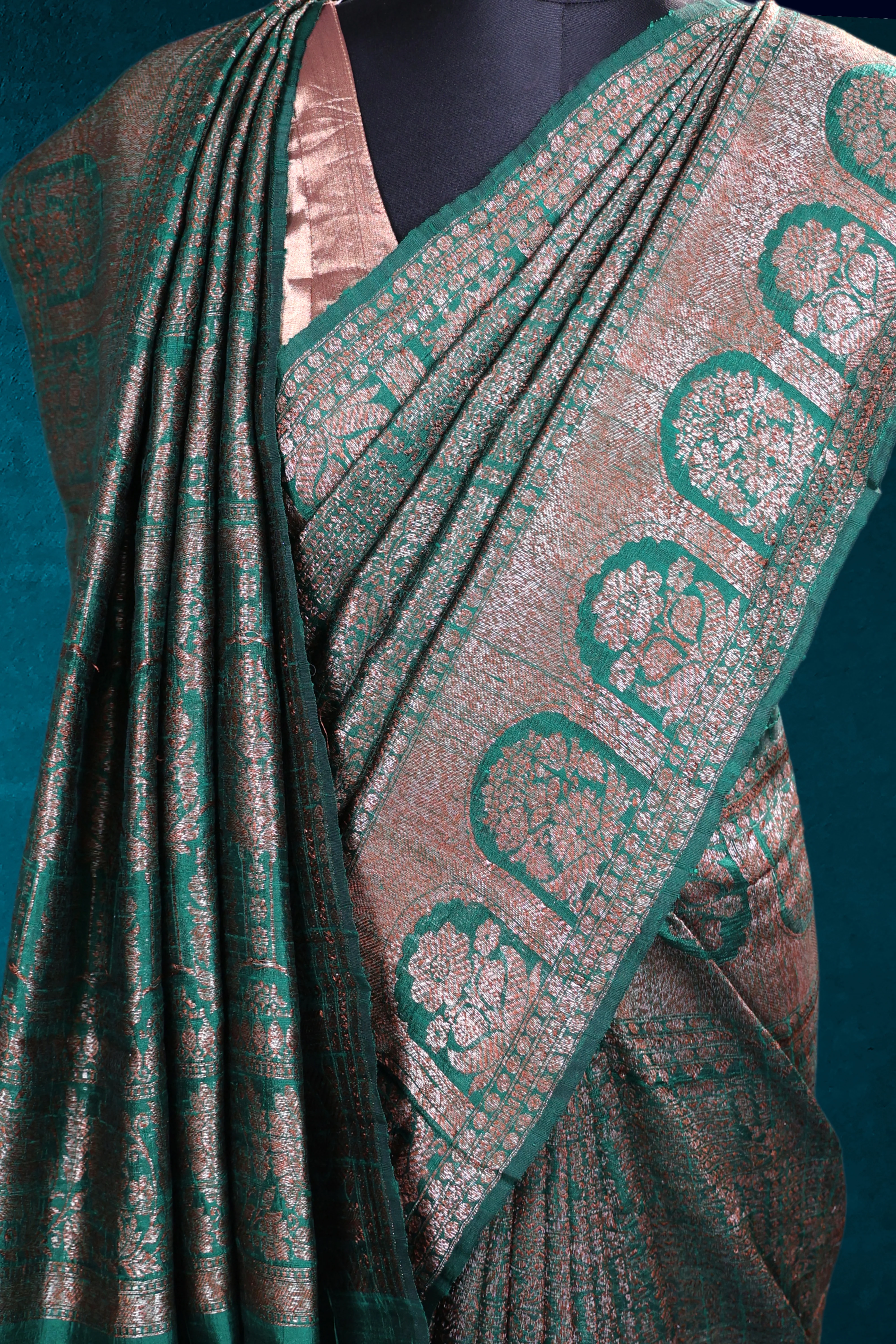
- Woven using traditional zari work, intricate floral jaal, paisleys, and Mughal-inspired motifs.
-
Durable Yet Lightweight:
- Raw silk is sturdy and maintains its form without feeling heavy, making it perfect for sarees and festive outfits.
-
Rich Texture:
- The unique, uneven texture of raw silk adds depth and character to the Banarasi patterns.
Why Choose Raw Silk Banarasi?
- Combines the charm of handloom weaving with the earthy appeal of raw silk.
- Perfect for weddings, festivals, and formal occasions.
- Its subtle shine makes it versatile for both daytime and evening wear.
Styling Tips for Raw Silk Banarasi Sarees:
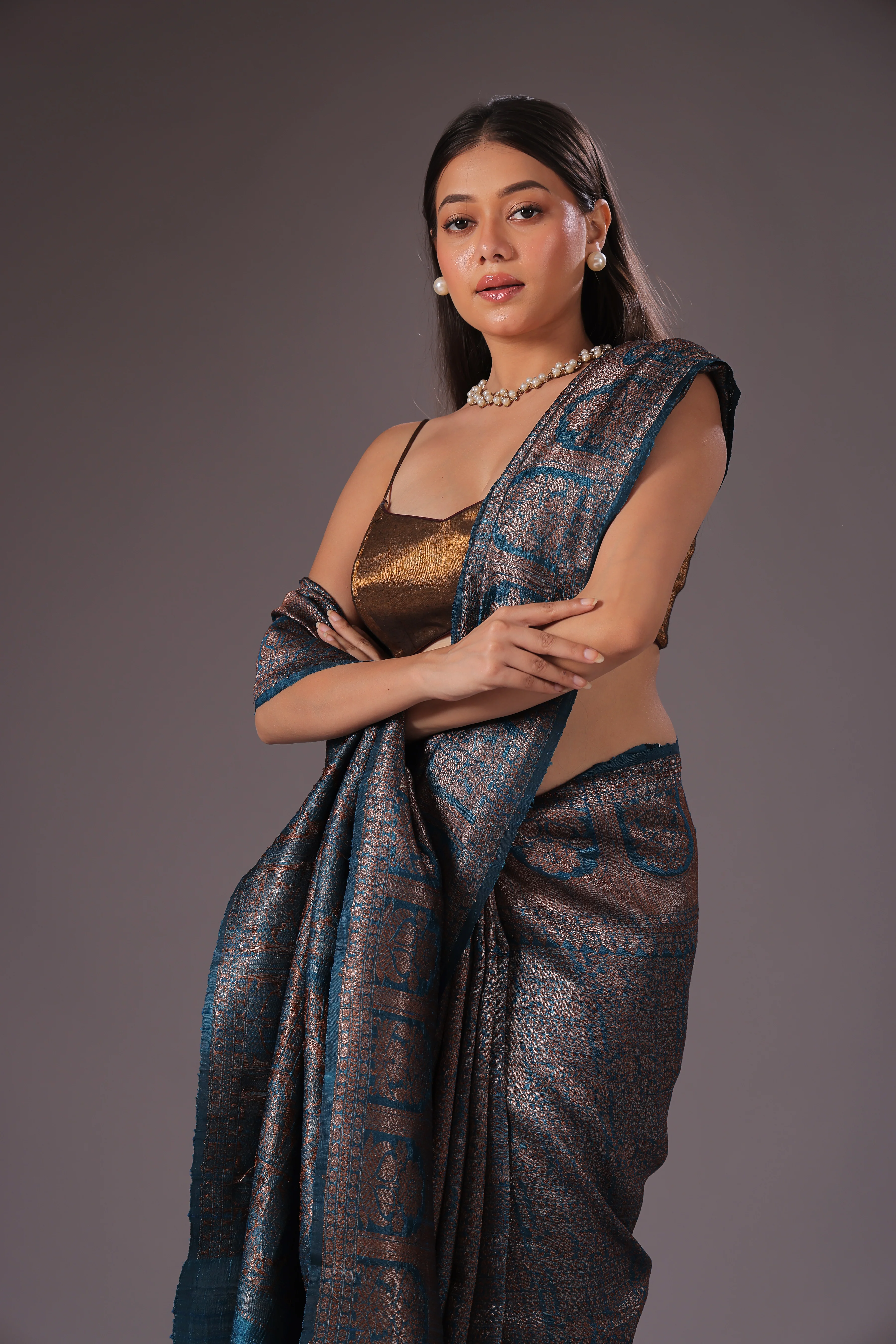
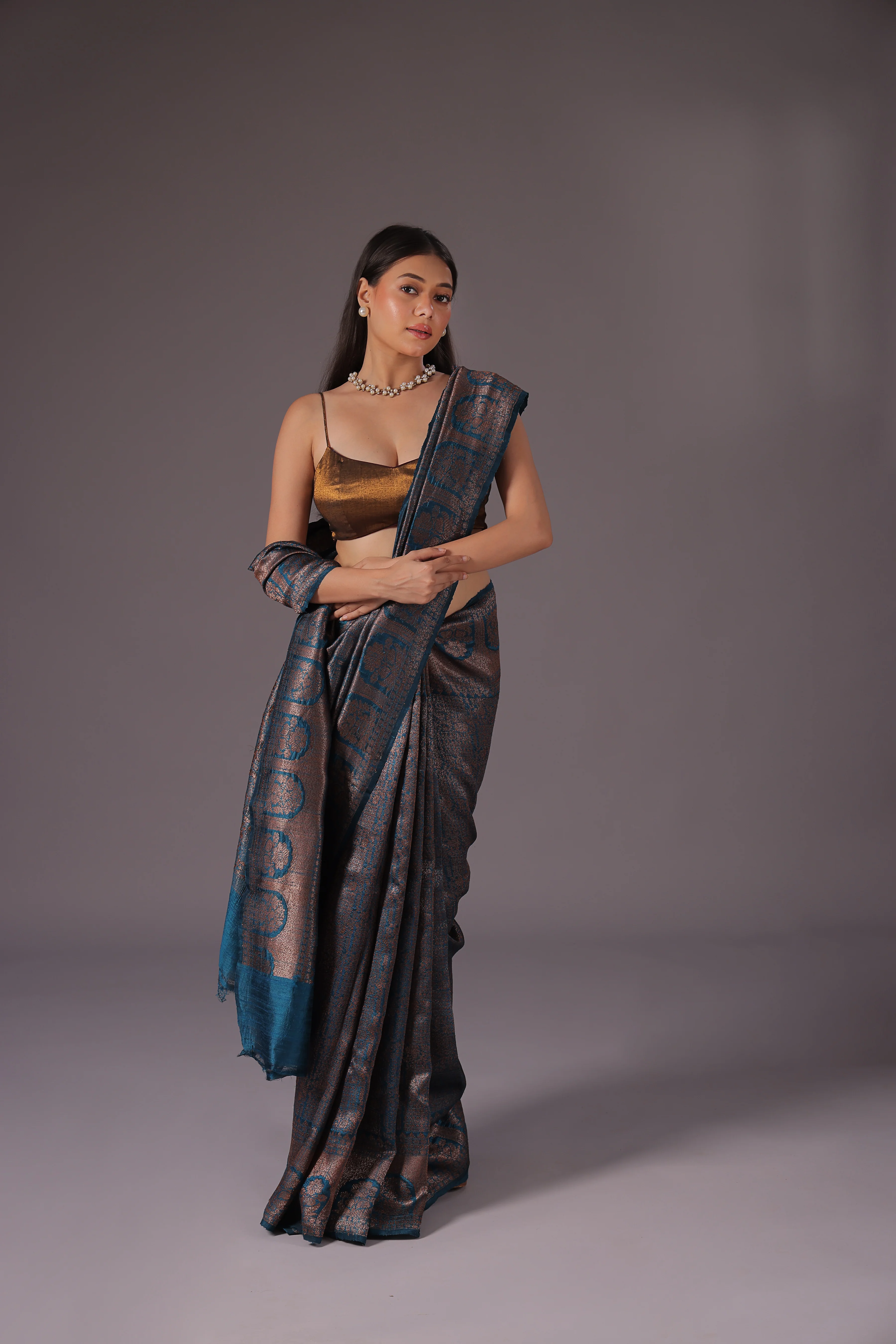
- Pair it with a heavily embroidered blouse for a regal look.
- Opt for antique jewelry like gold chokers, jhumkas, or temple jewelry to enhance its traditional appeal.
- A structured drape and pleating highlight the rich texture of the raw silk.
- Use accessories like potli bags and embellished sandals to complete the look.
Care Tips for Raw Silk Banarasi:
- Dry Clean Only: To maintain the zari work and natural sheen.
- Store in a cool, dry place wrapped in a muslin cloth.
- Avoid direct sunlight to prevent fading.
Details & Craftsmanship
Every detail has been carefully considered to bring you the perfect product.
Details & Craftsmanship
Every detail has been carefully considered to bring you the perfect product.
Details & Craftsmanship
Every detail has been carefully considered to bring you the perfect product.
Description
"Raw Silk Banarasi" is a combination of the natural texture of raw silk and the intricate, traditional weaving of Banarasi craftsmanship. This fabric is renowned for its understated elegance and luxurious finish, making it a perfect blend of simplicity and tradition.
What is Raw Silk?
- Raw silk is silk in its natural, unrefined form, with a slightly coarse texture and a matte finish.
- It has a rich, natural sheen without the glossy appearance of fully processed silk.
- Known for its durability and breathable quality, raw silk offers both style and comfort.
Features of Raw Silk Banarasi:
-
Matte Elegance:
- The natural finish of raw silk creates a subdued, sophisticated look while still retaining its luxury.
-
Banarasi Weaving:
- Woven using traditional zari work, intricate floral jaal, paisleys, and Mughal-inspired motifs.
-
Durable Yet Lightweight:
- Raw silk is sturdy and maintains its form without feeling heavy, making it perfect for sarees and festive outfits.
-
Rich Texture:
- The unique, uneven texture of raw silk adds depth and character to the Banarasi patterns.
Why Choose Raw Silk Banarasi?
- Combines the charm of handloom weaving with the earthy appeal of raw silk.
- Perfect for weddings, festivals, and formal occasions.
- Its subtle shine makes it versatile for both daytime and evening wear.
Styling Tips for Raw Silk Banarasi Sarees:
- Pair it with a heavily embroidered blouse for a regal look.
- Opt for antique jewelry like gold chokers, jhumkas, or temple jewelry to enhance its traditional appeal.
- A structured drape and pleating highlight the rich texture of the raw silk.
- Use accessories like potli bags and embellished sandals to complete the look.
Care Tips for Raw Silk Banarasi:
- Dry Clean Only: To maintain the zari work and natural sheen.
- Store in a cool, dry place wrapped in a muslin cloth.
- Avoid direct sunlight to prevent fading.