Original: $90.83
-70%$90.83
$27.25The Story
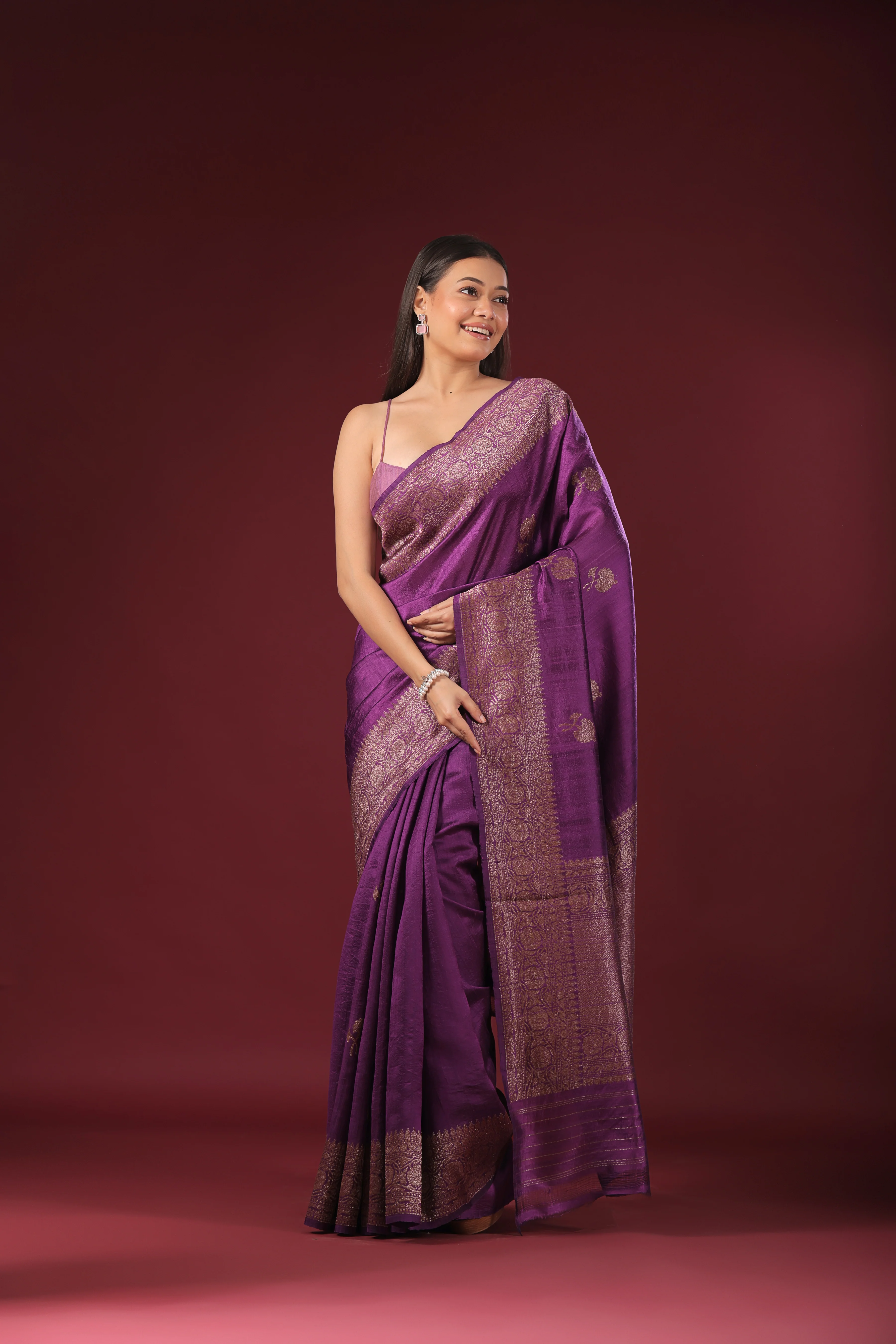
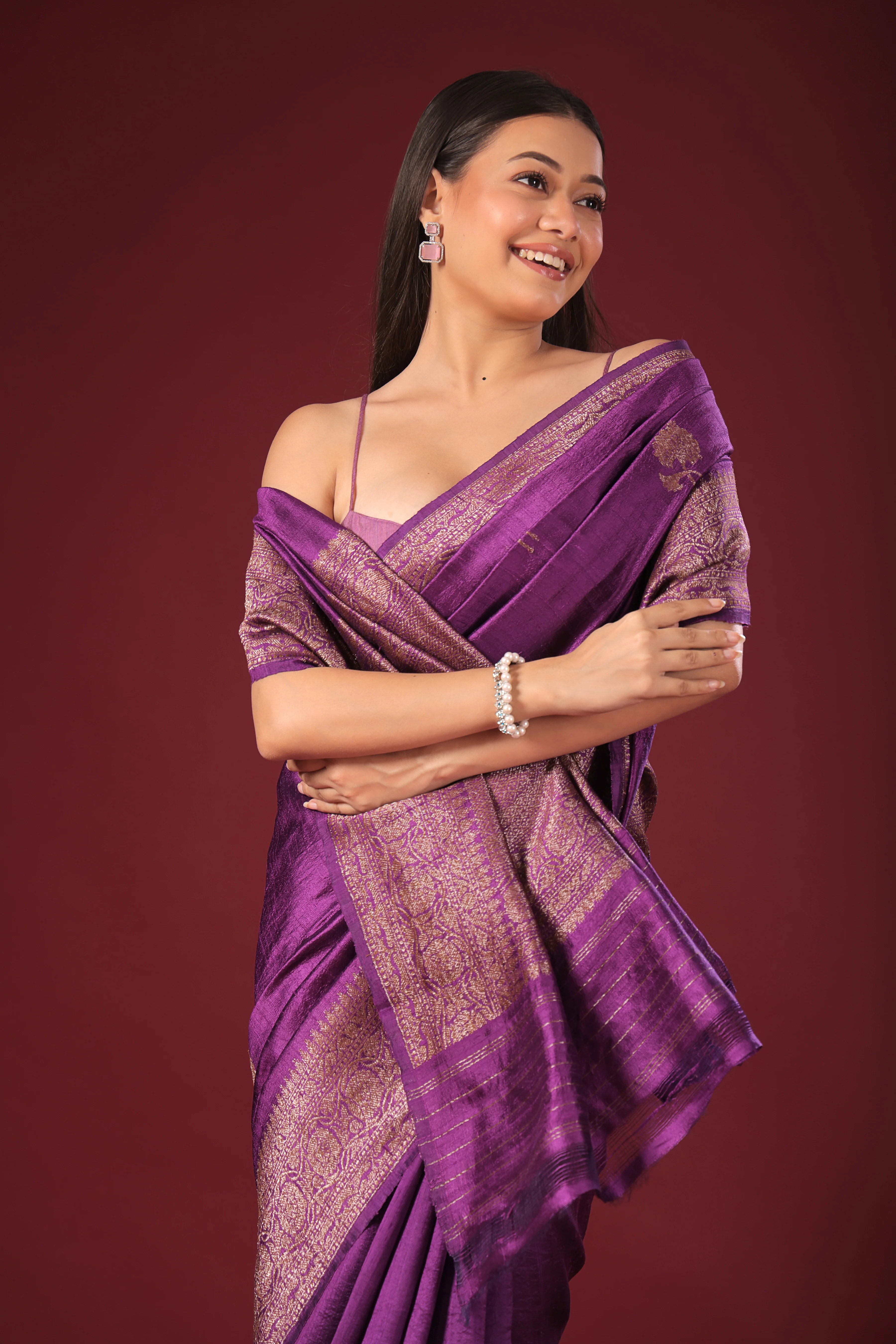
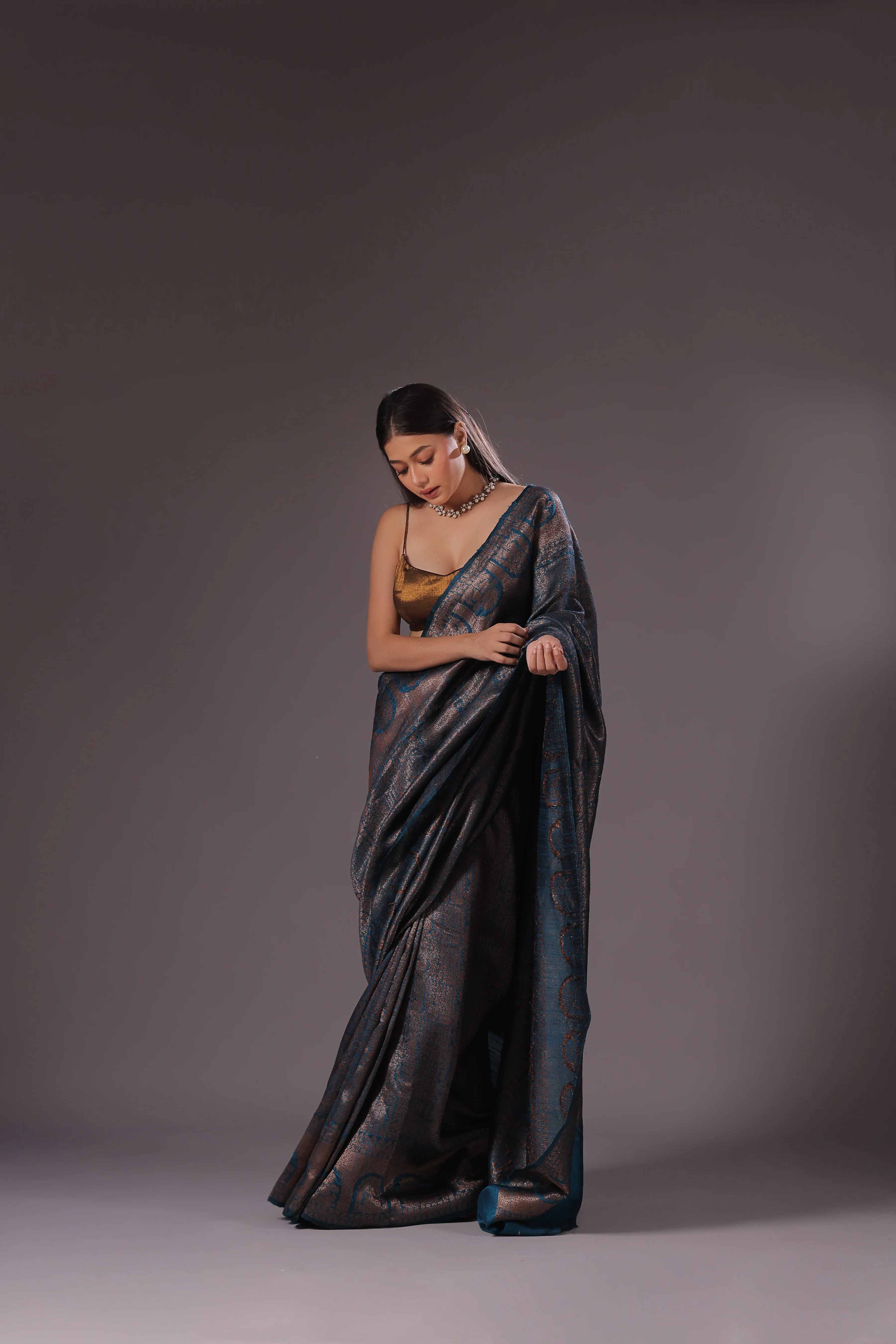
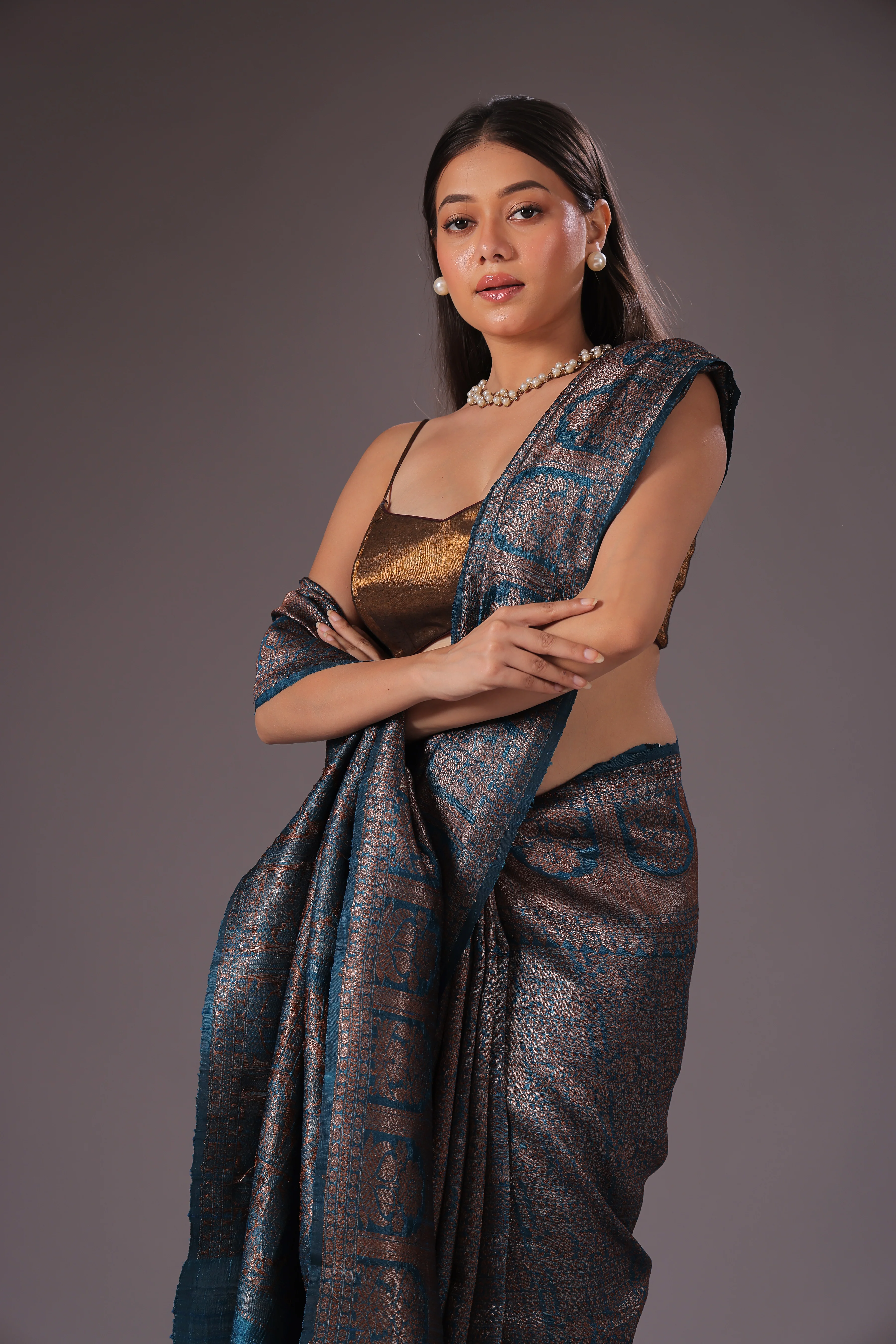
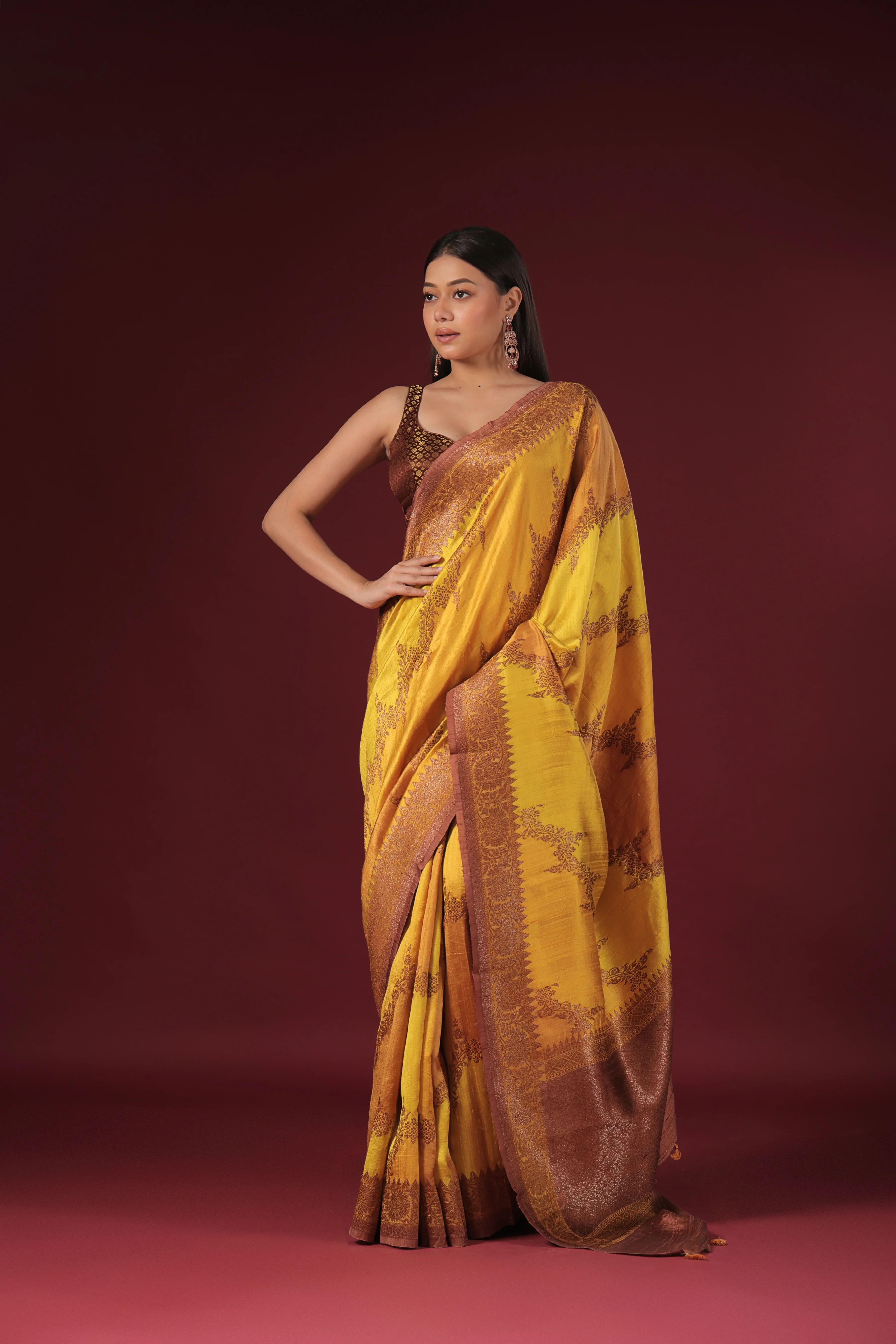
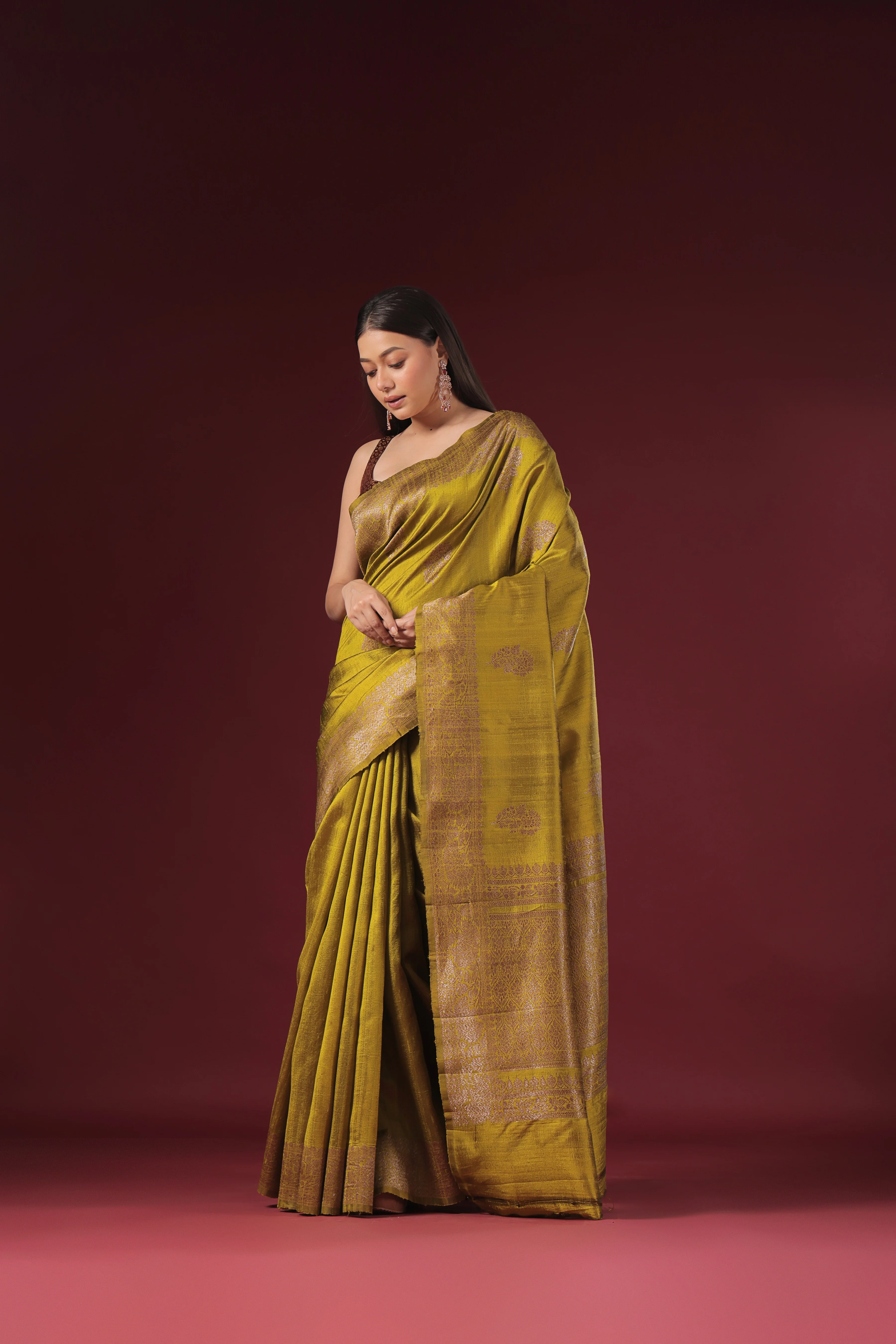
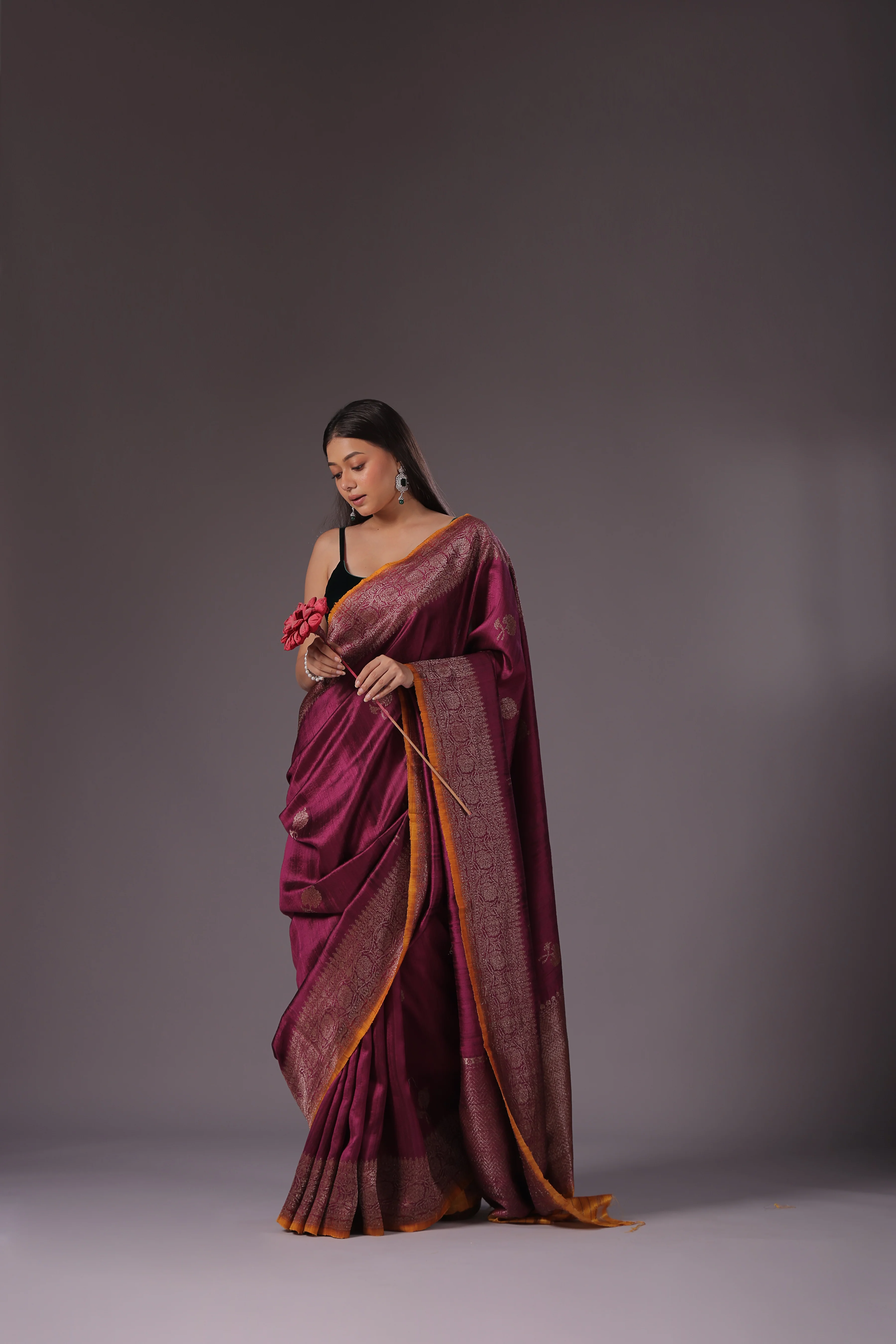
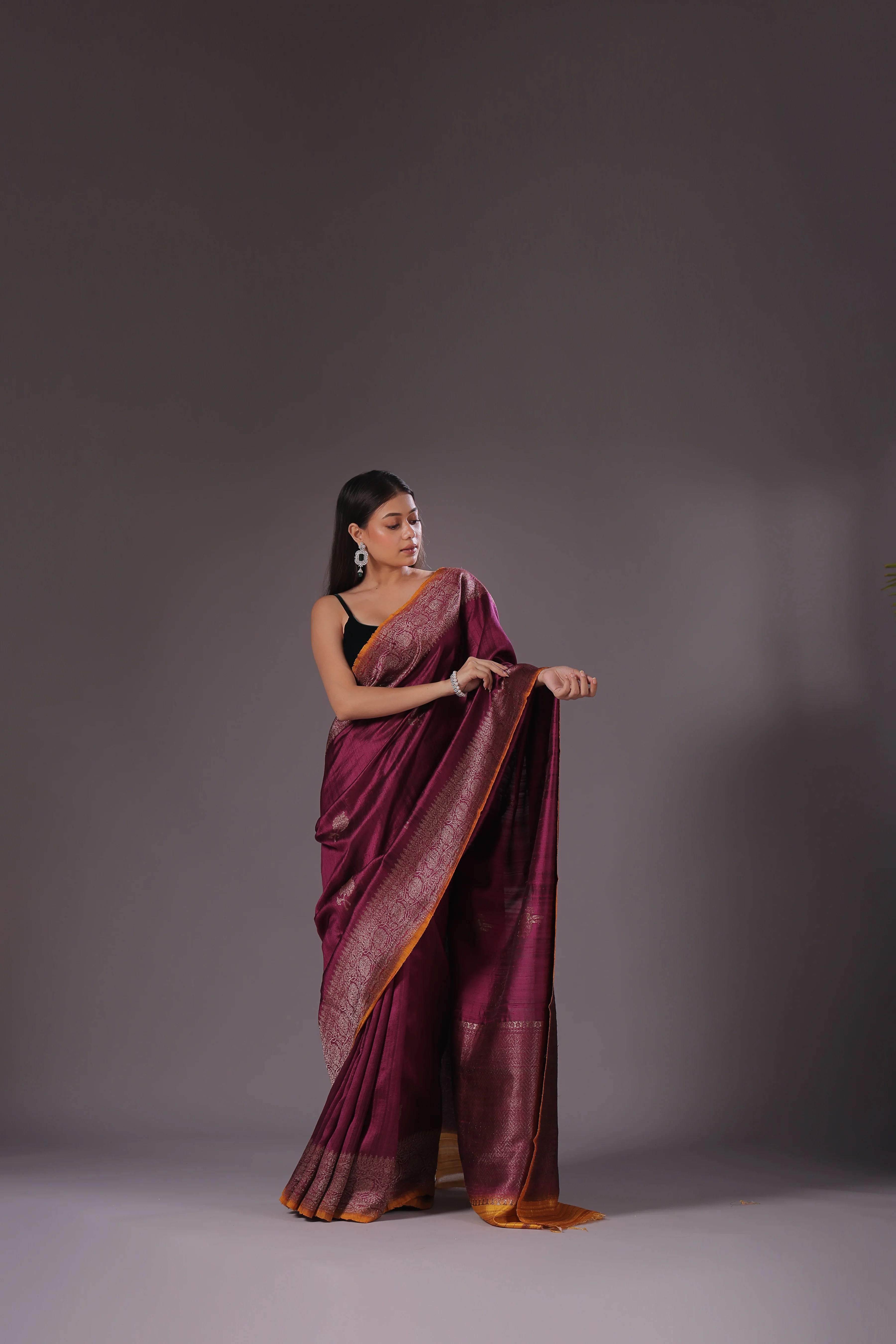
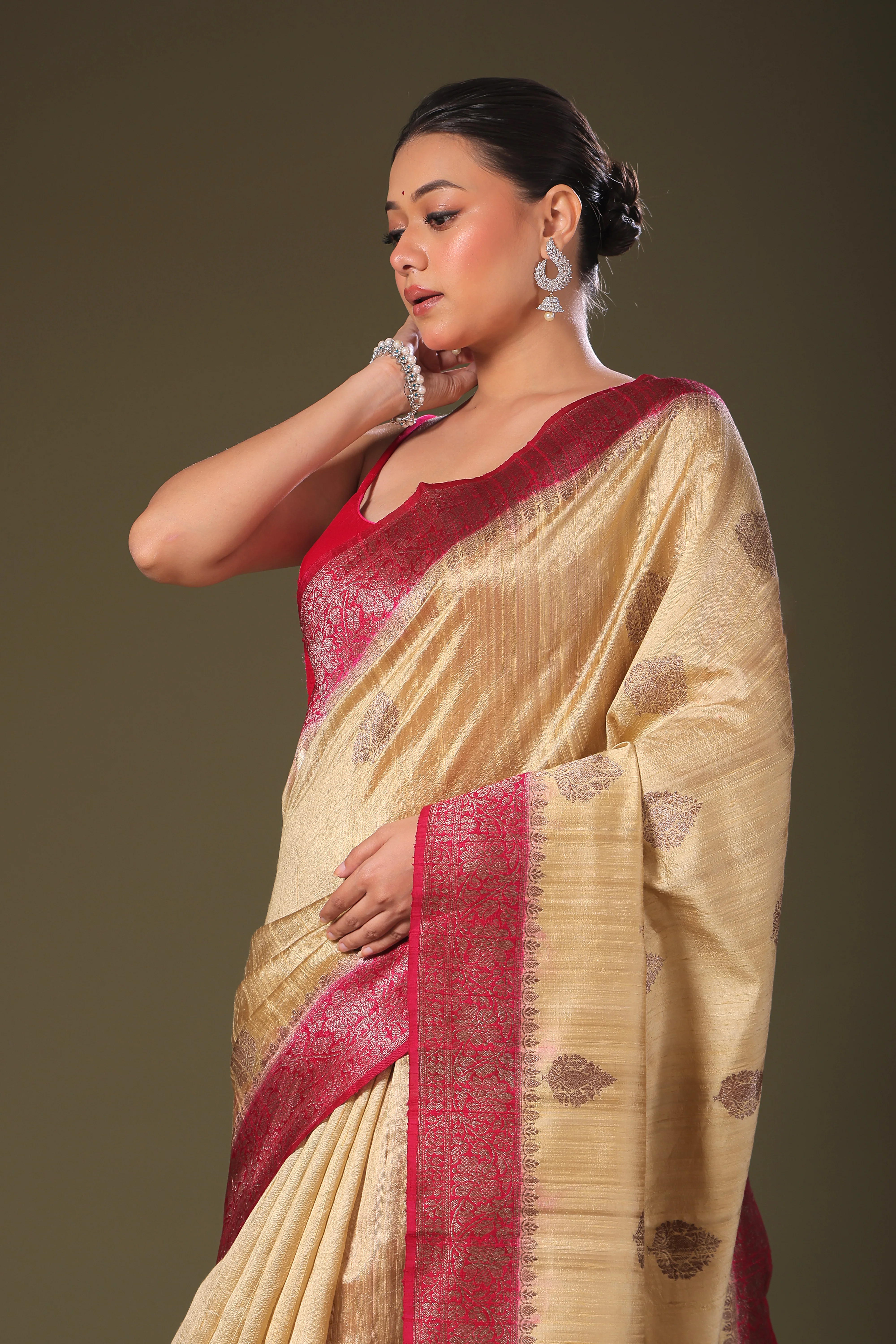
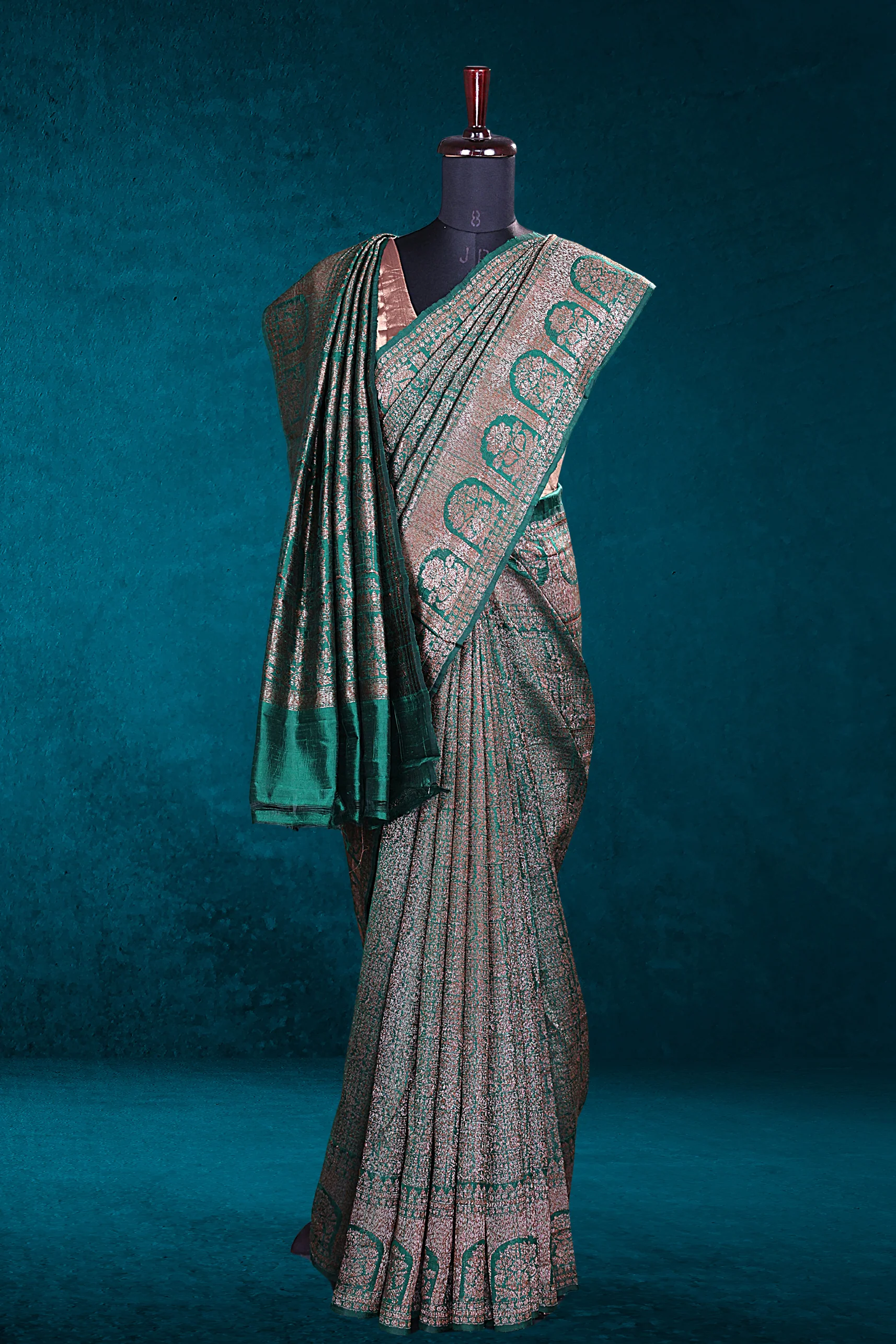
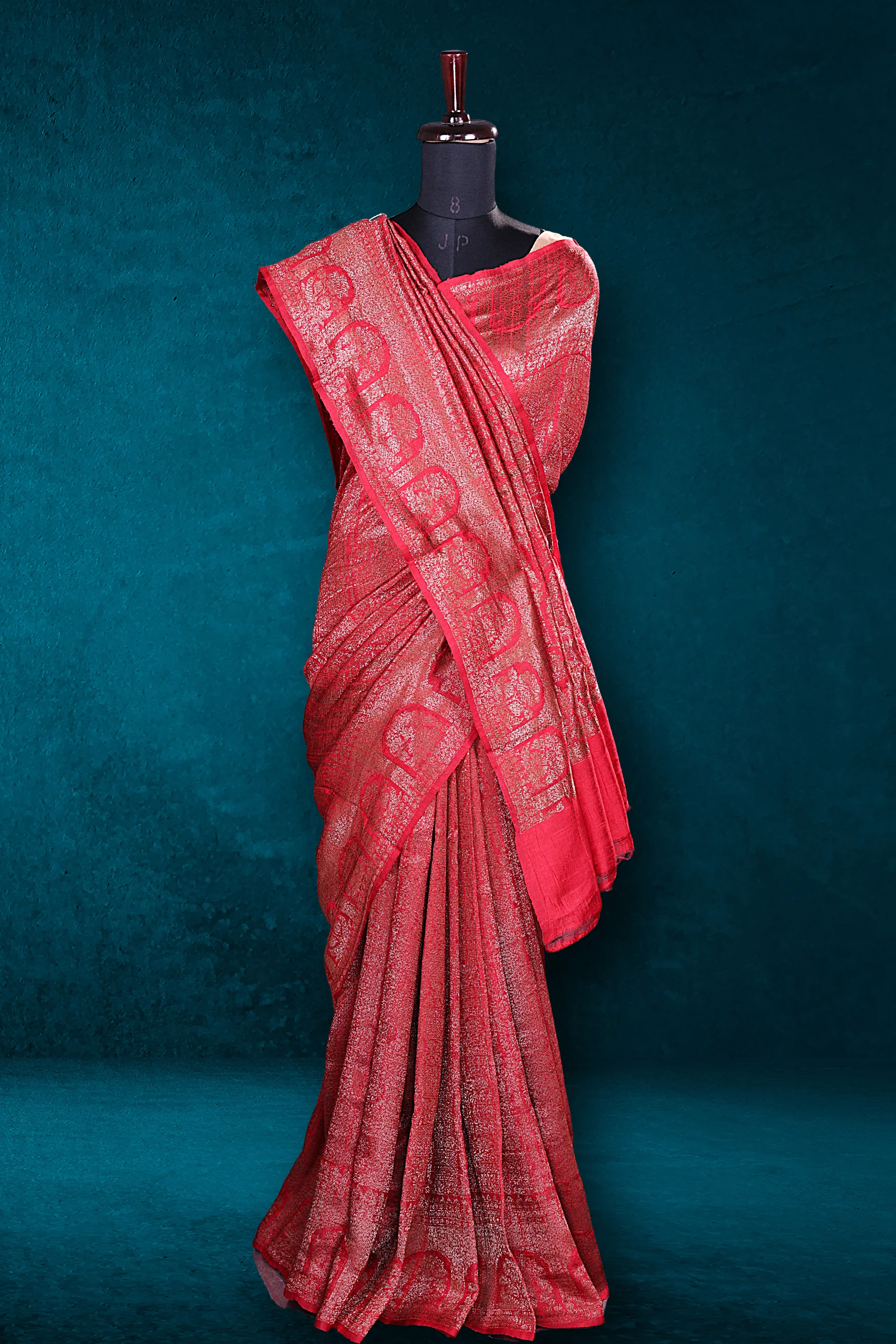
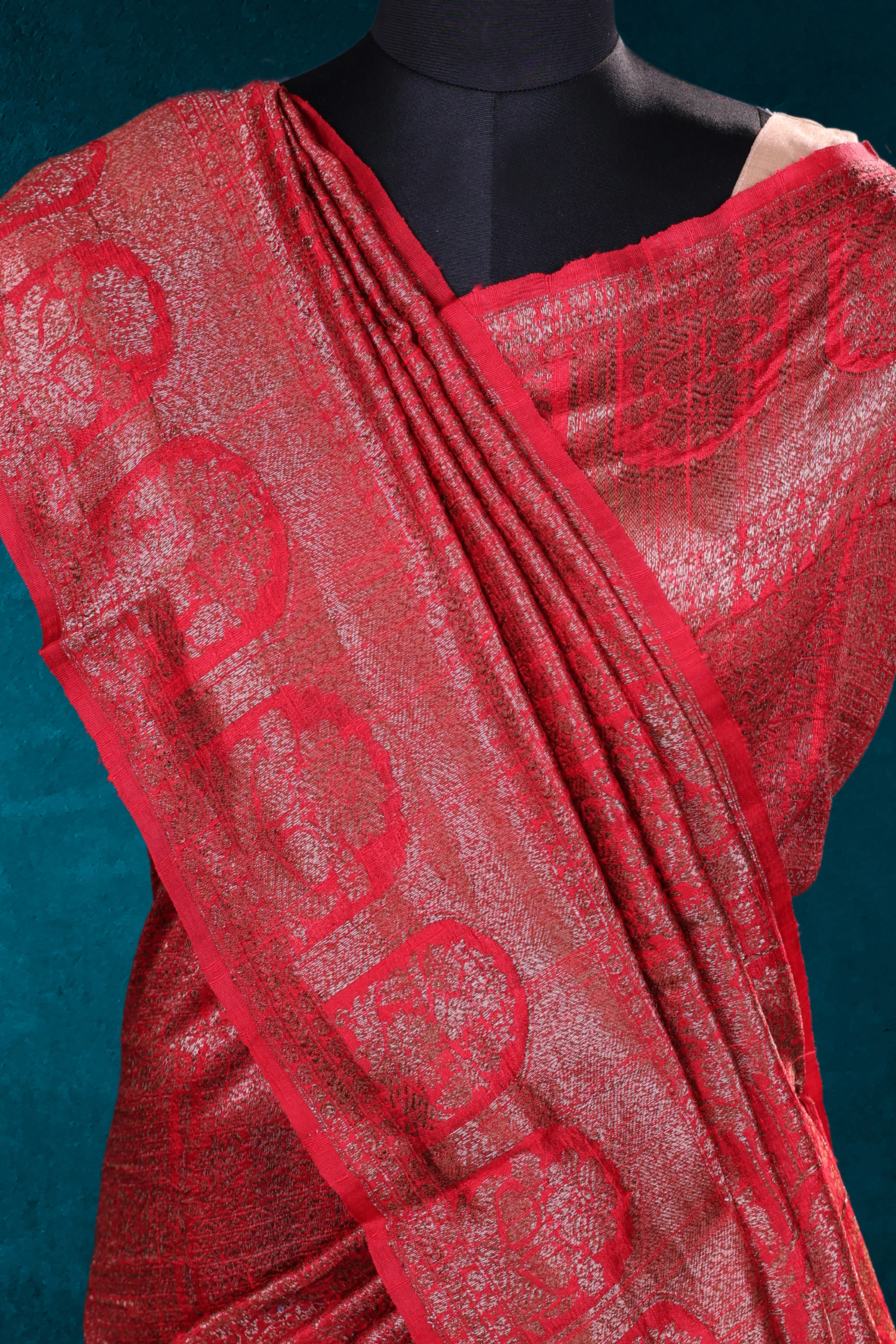
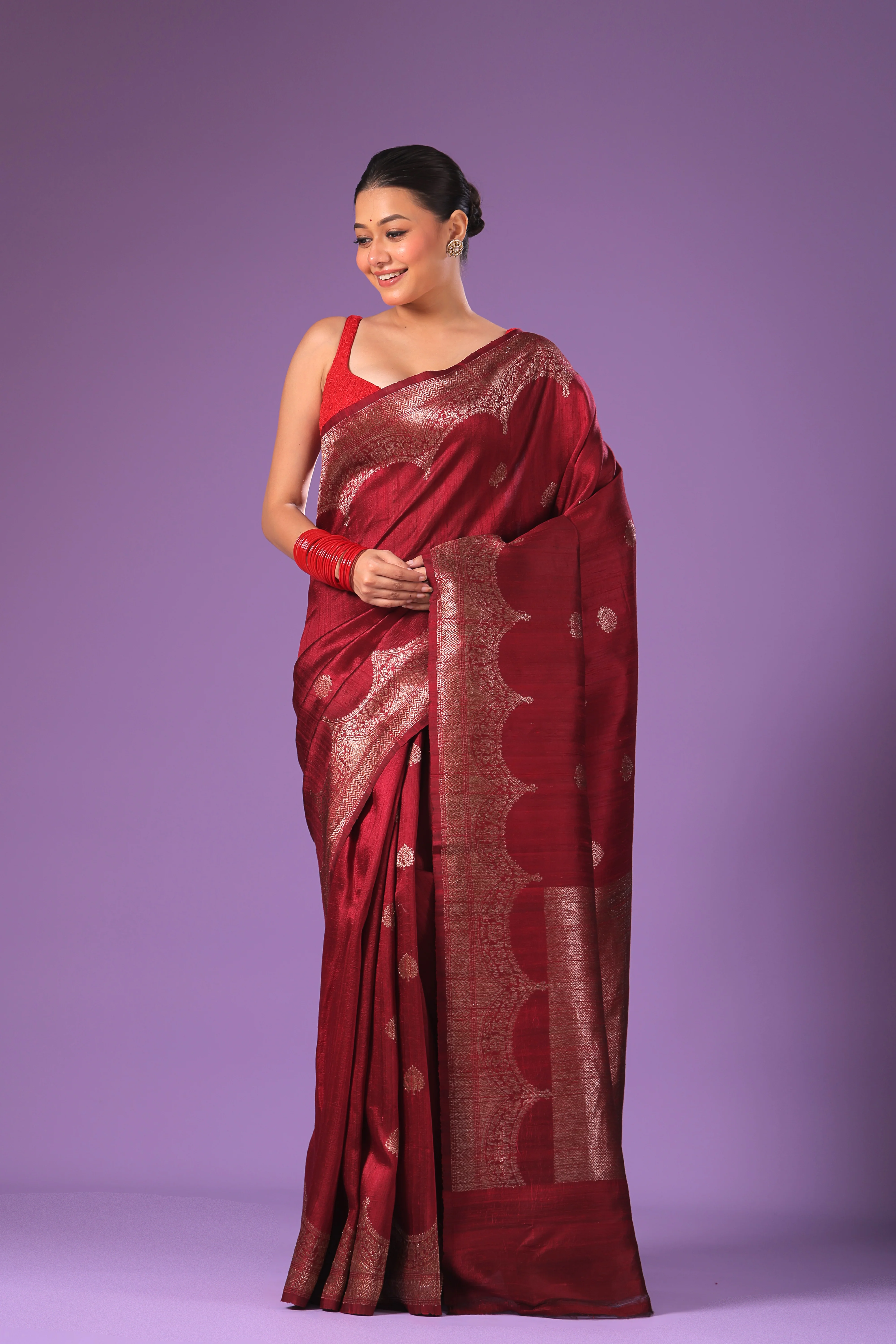
A Raw Silk Banarasi Saree is a traditional Indian garment that combines the luxurious texture of raw silk with the intricate, rich weaving techniques of Banarasi craftsmanship. Here's a detailed look at what makes these sarees so special:
1. Fabric - Raw Silk
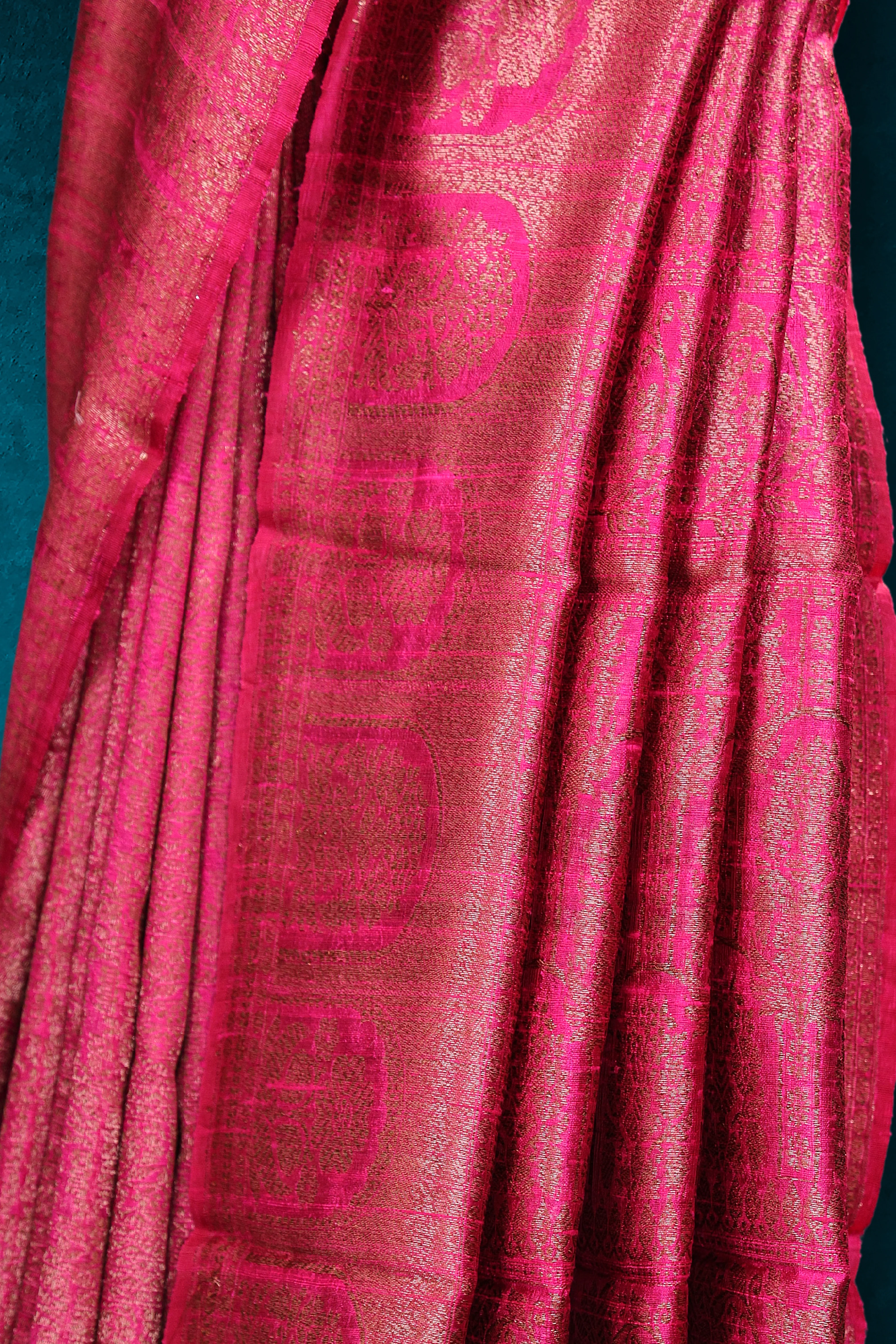
- Raw Silk (also known as 'Dupioni' or 'Shantung') is a type of silk fabric made from the fibers of silkworms that are spun without being processed to remove sericin (a natural gum). This results in a fabric that has a slightly textured, nubby surface, which gives it a unique, rustic sheen and feel compared to regular smooth silk.
- The fabric is less glossy than pure silk, with a more natural finish and a matte or semi-matte appearance, making it ideal for traditional and ceremonial wear like sarees.
2. Banarasi Weaving Style
- The Banarasi saree is a classic symbol of Indian heritage and is woven in Varanasi (Banaras), a city in Uttar Pradesh, which is renowned for its fine silk weaving.
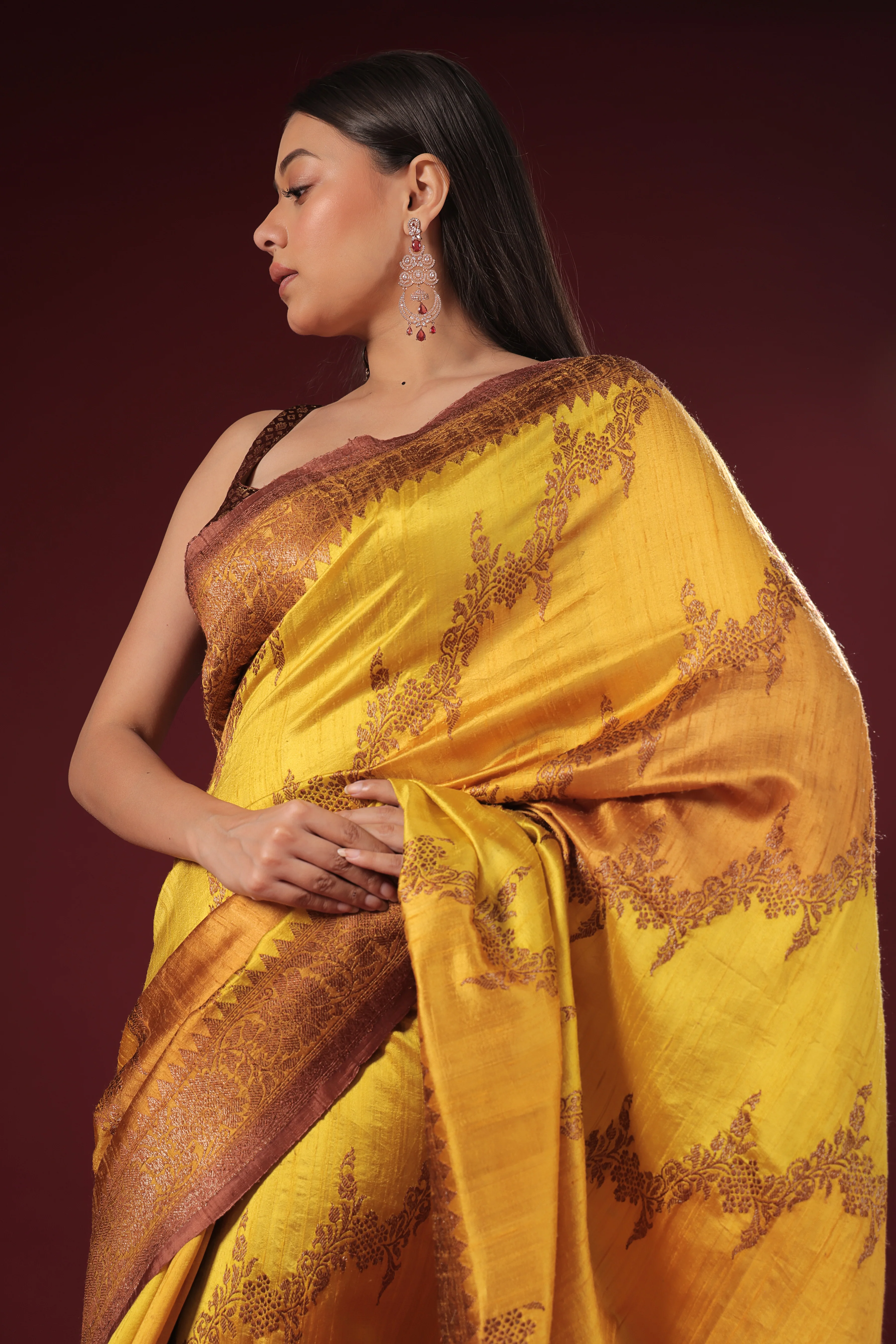
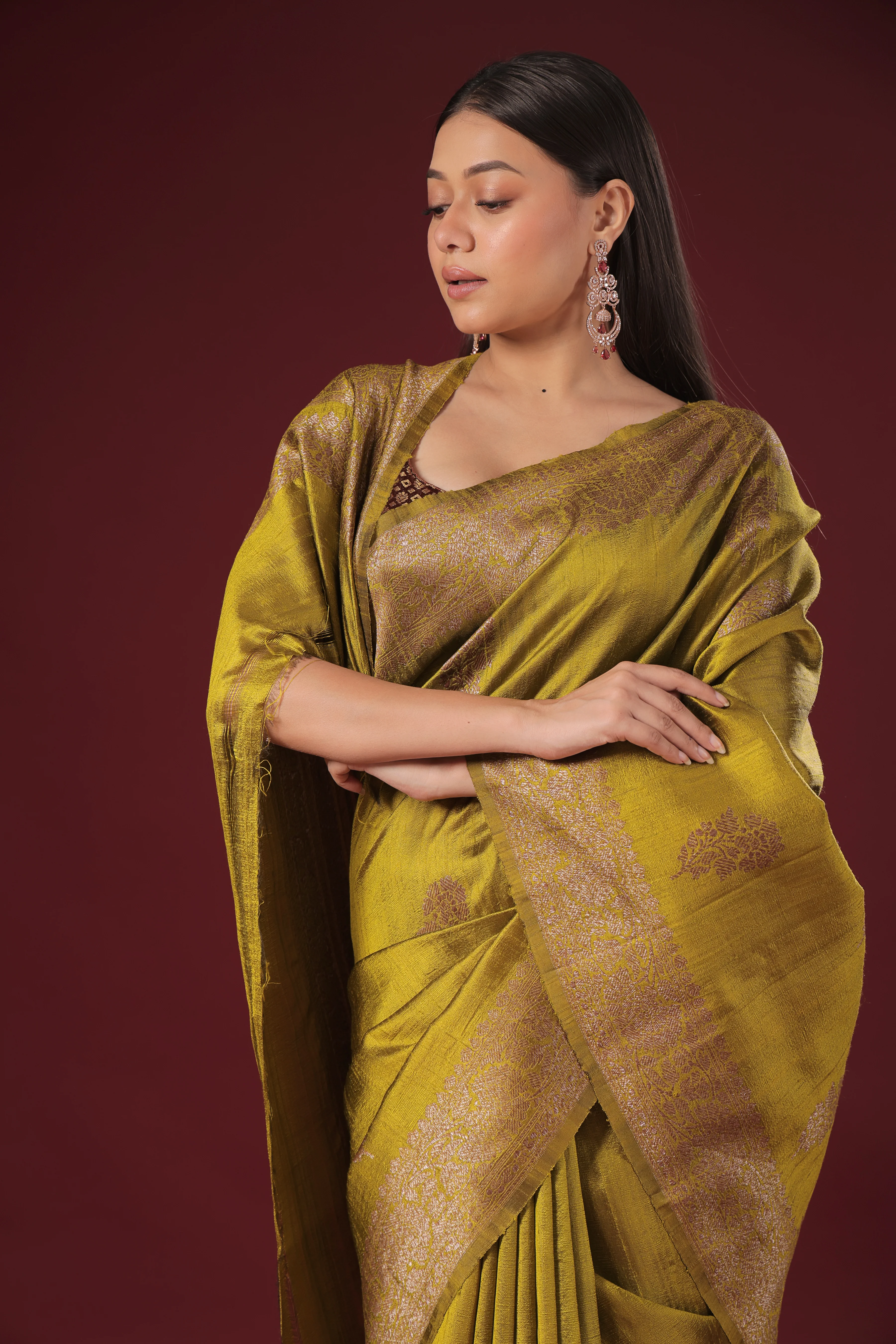
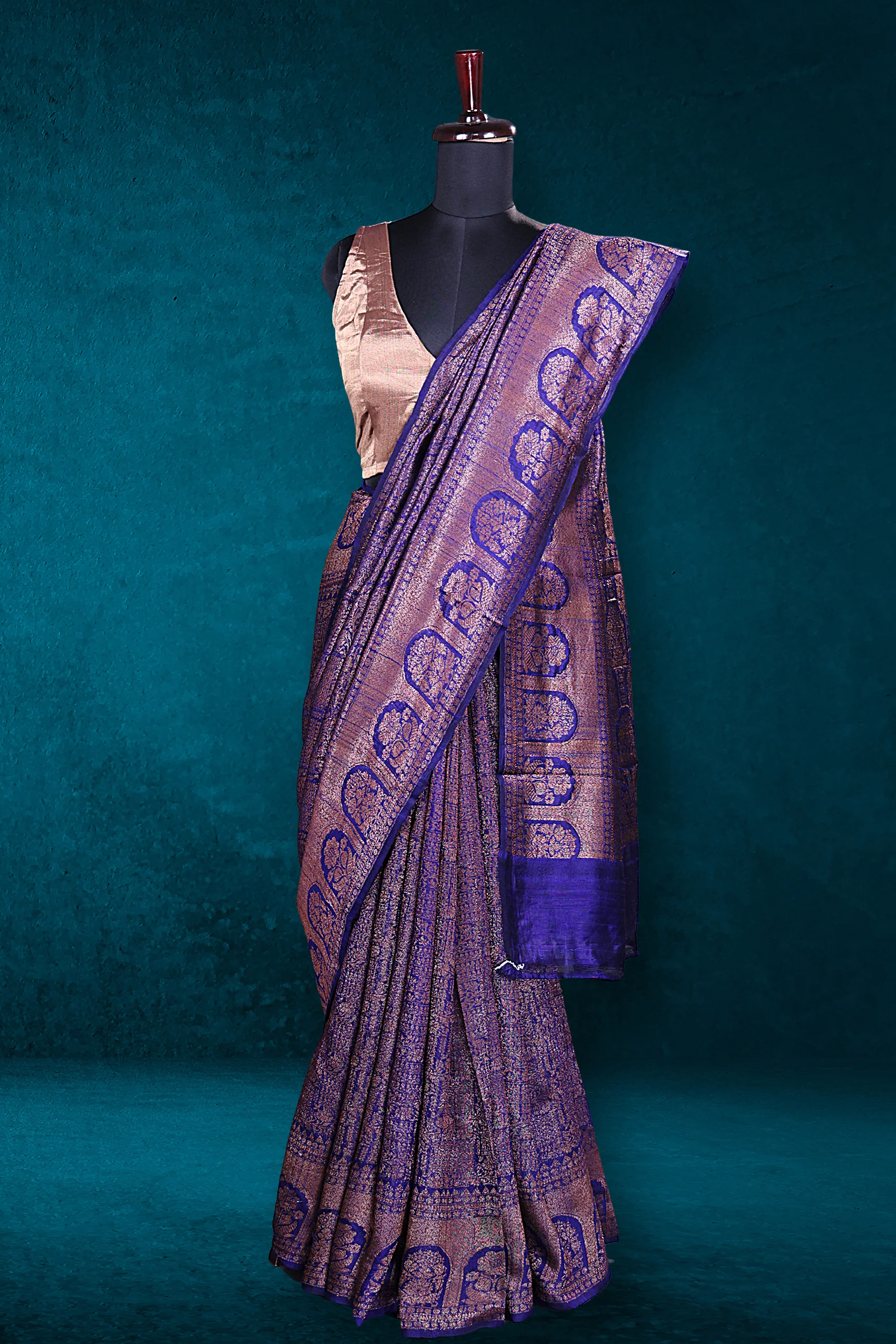
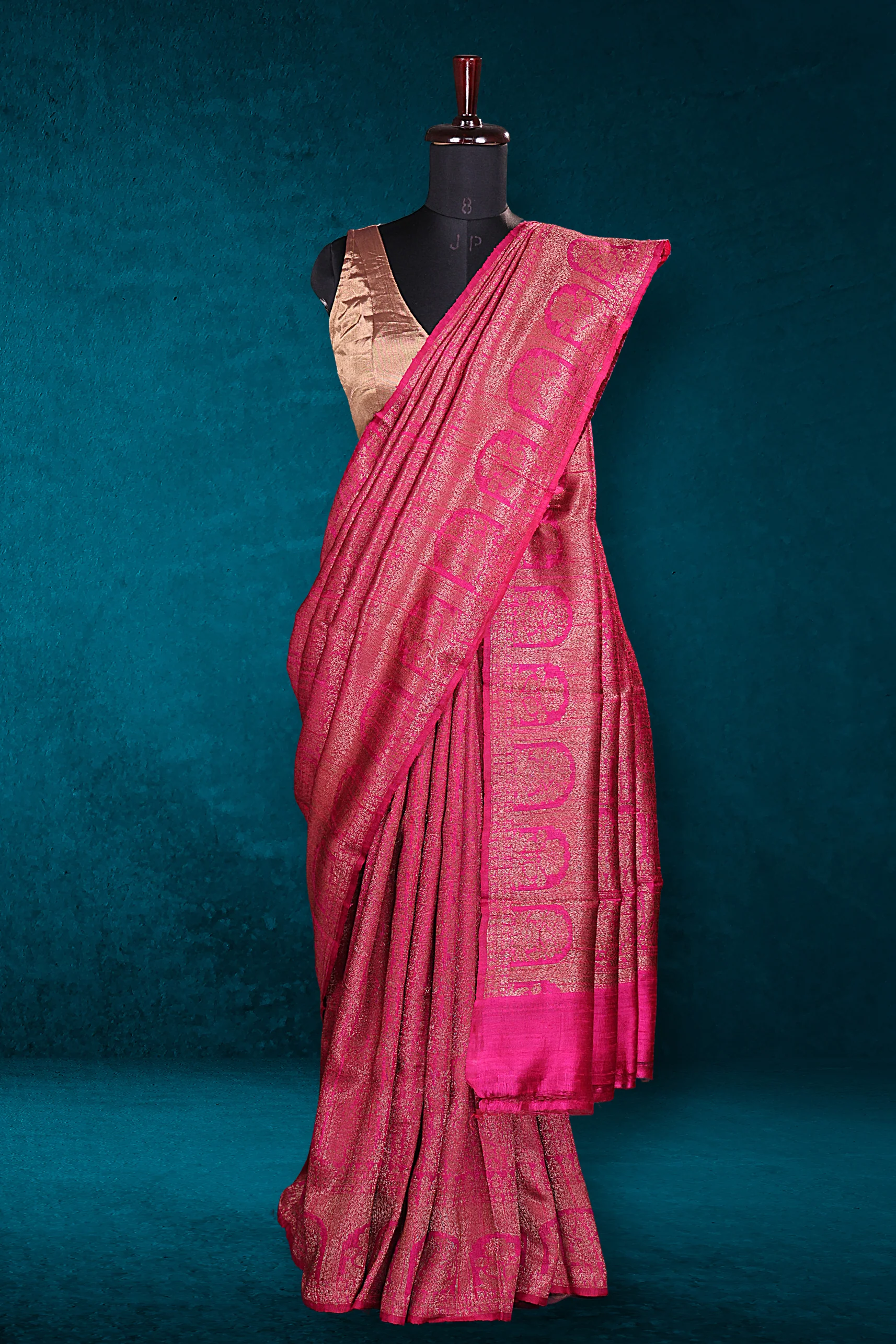
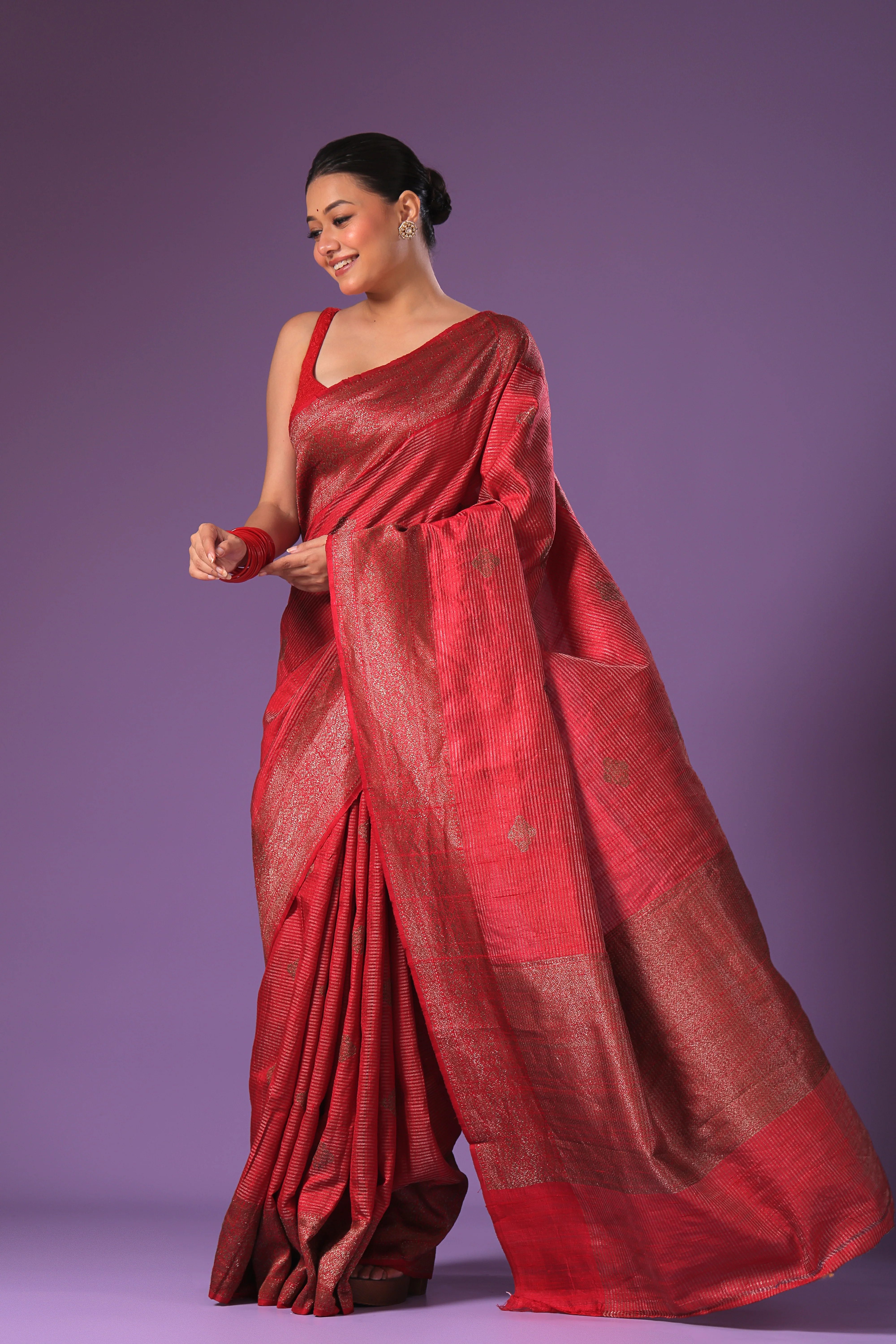
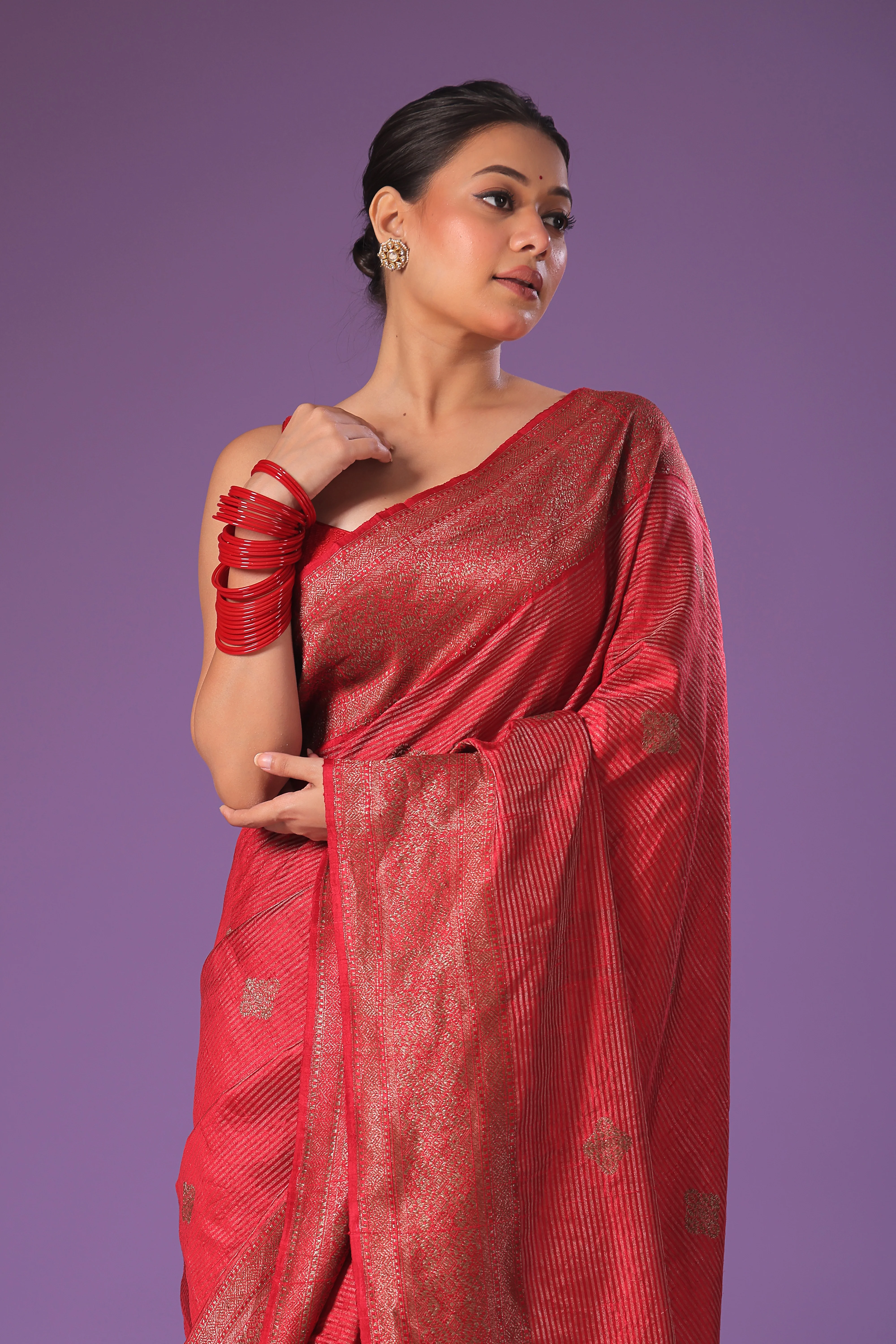
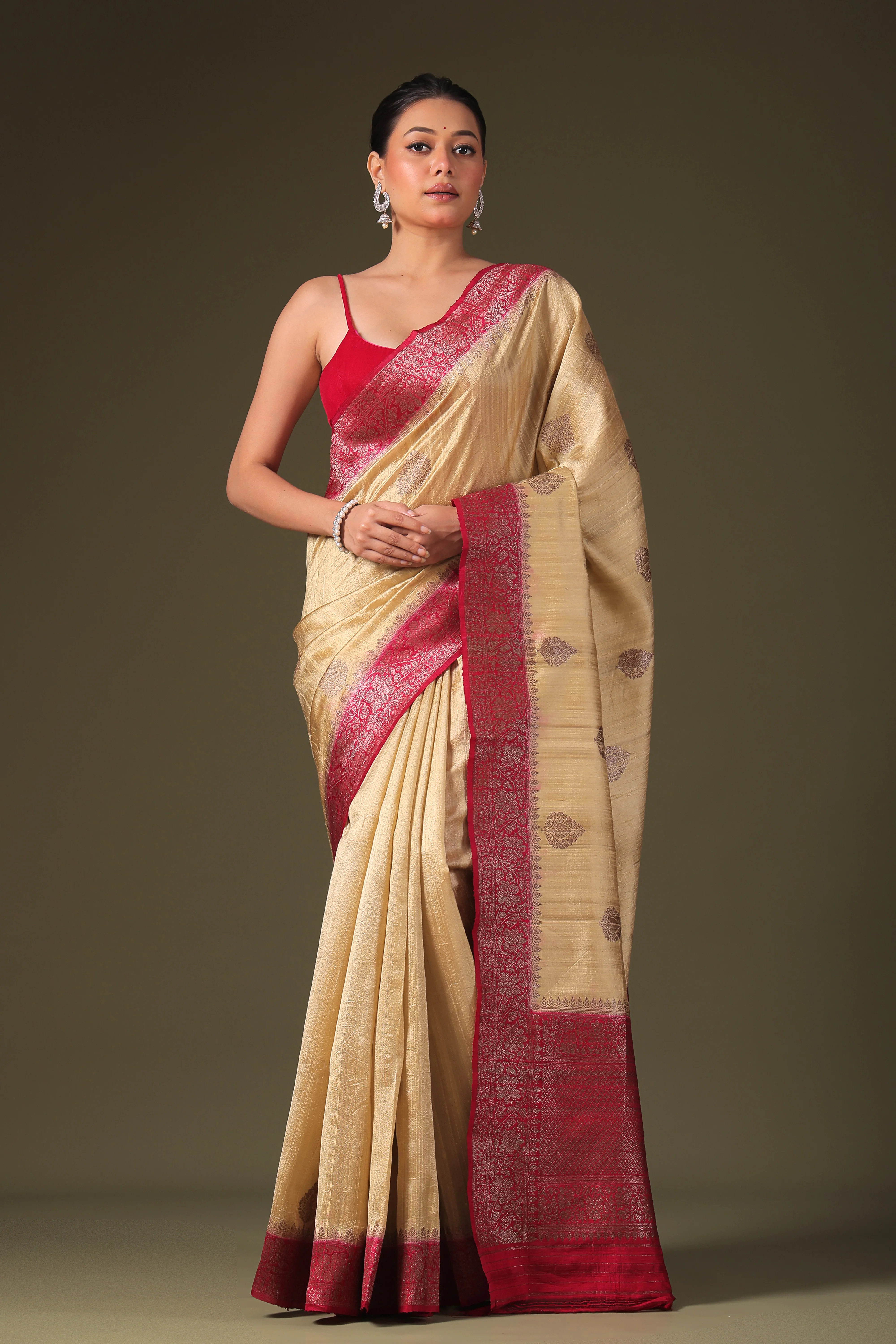
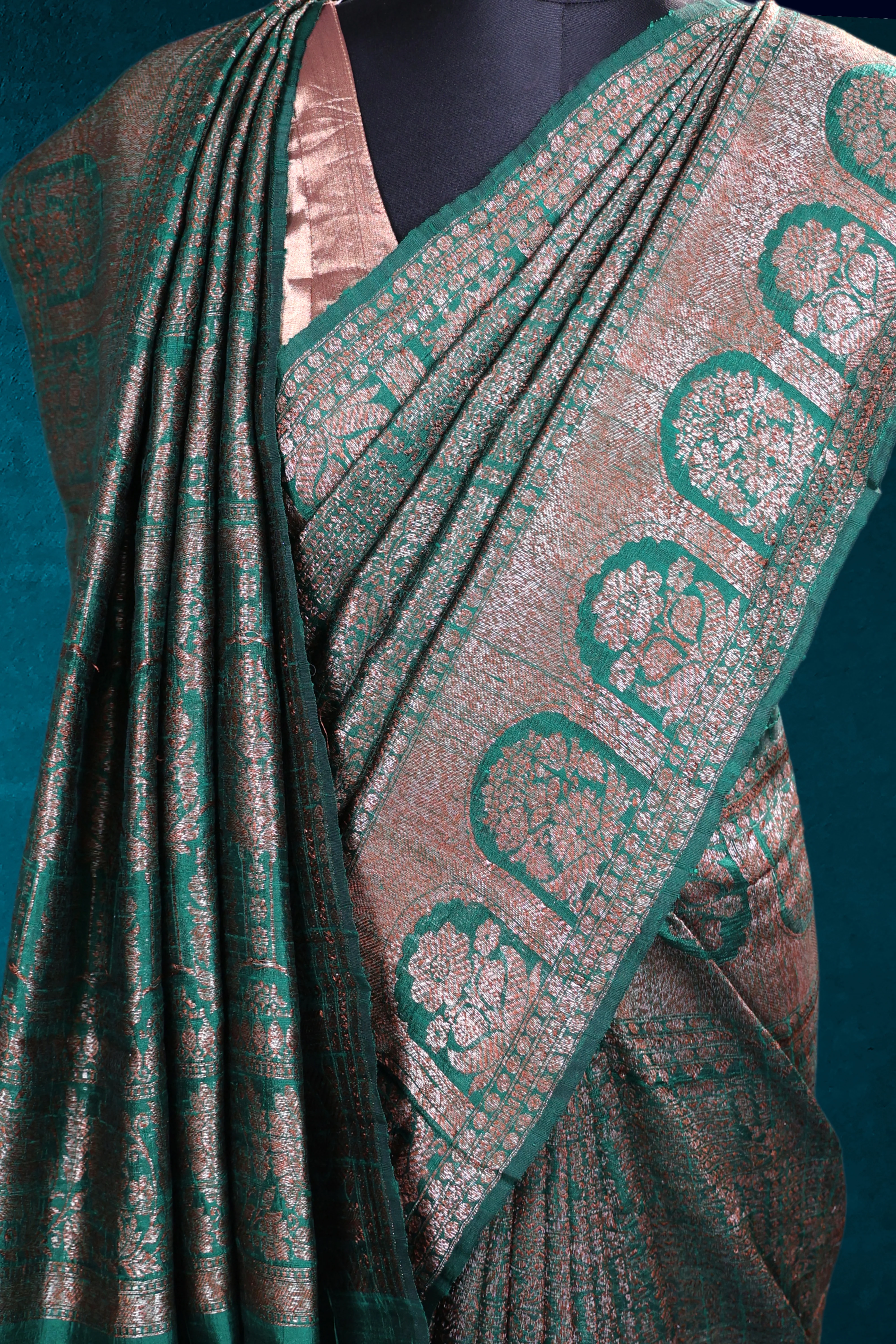
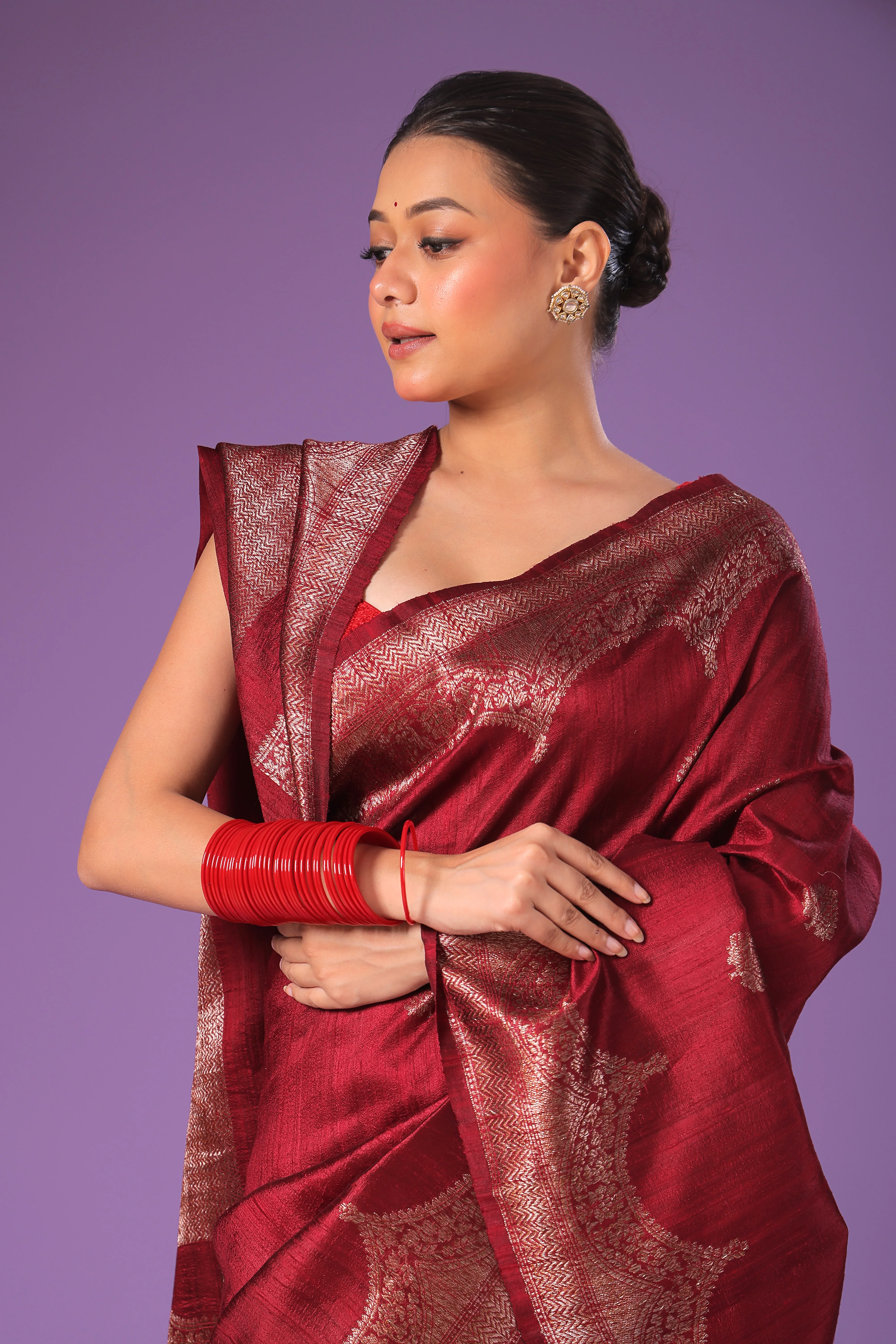
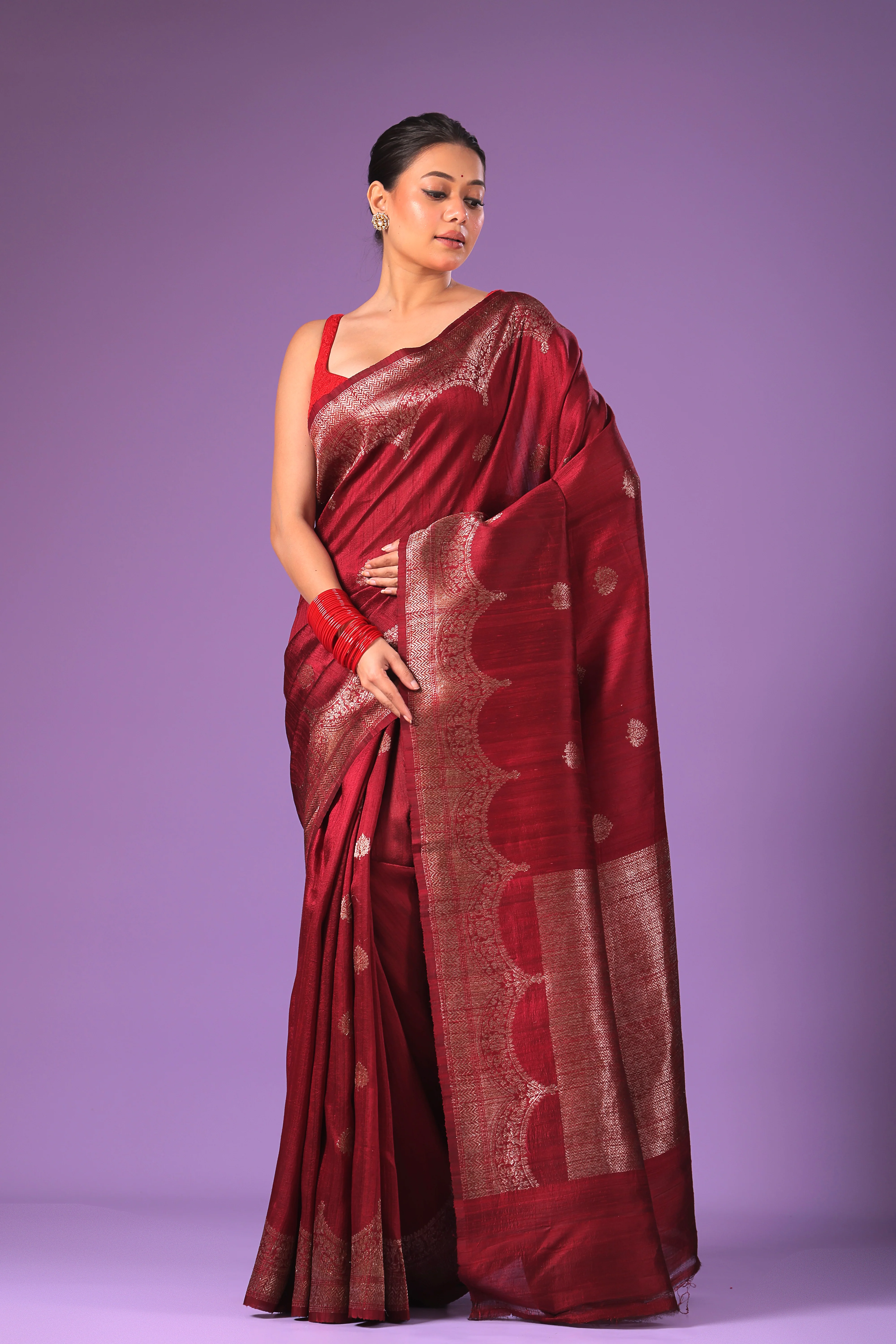
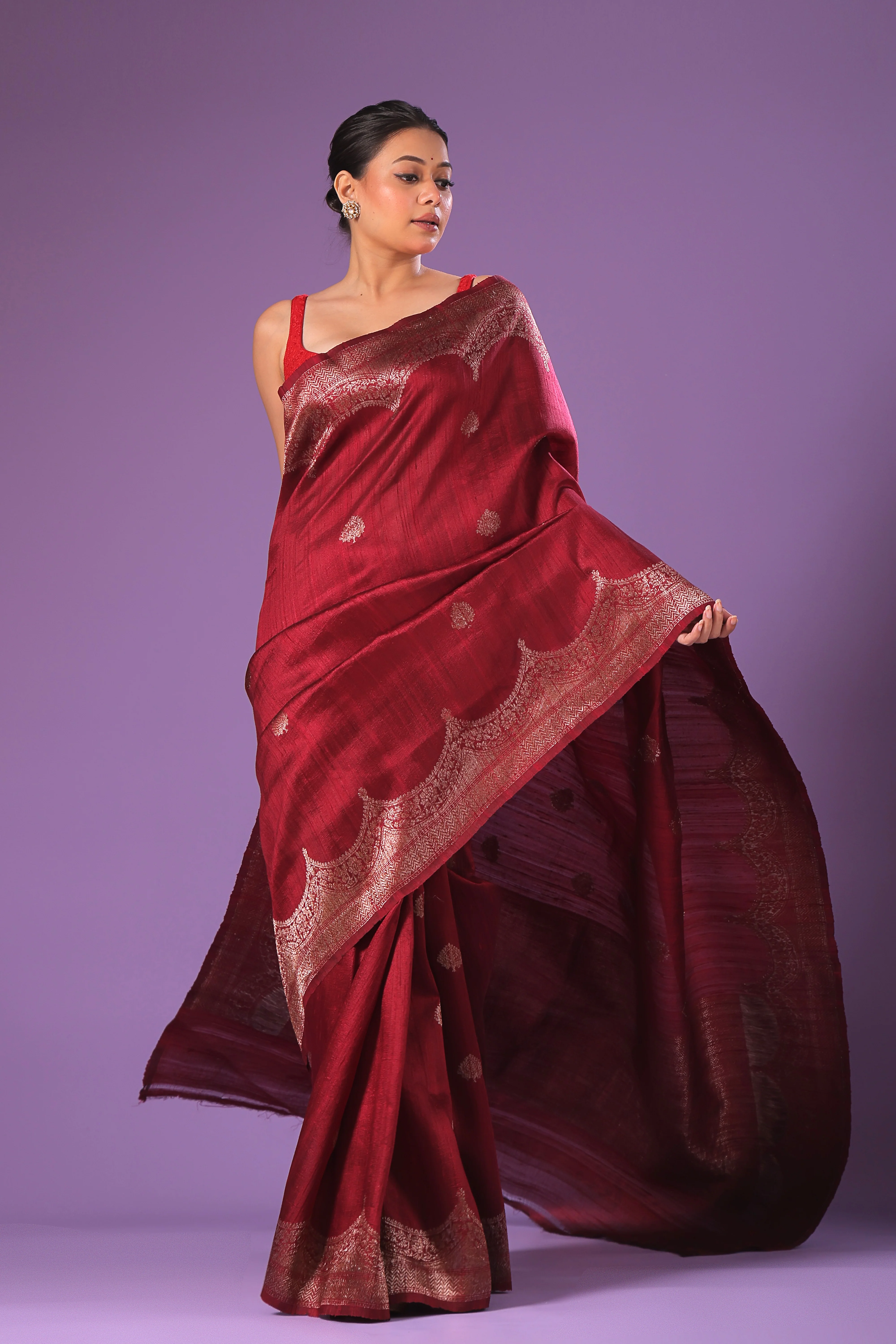
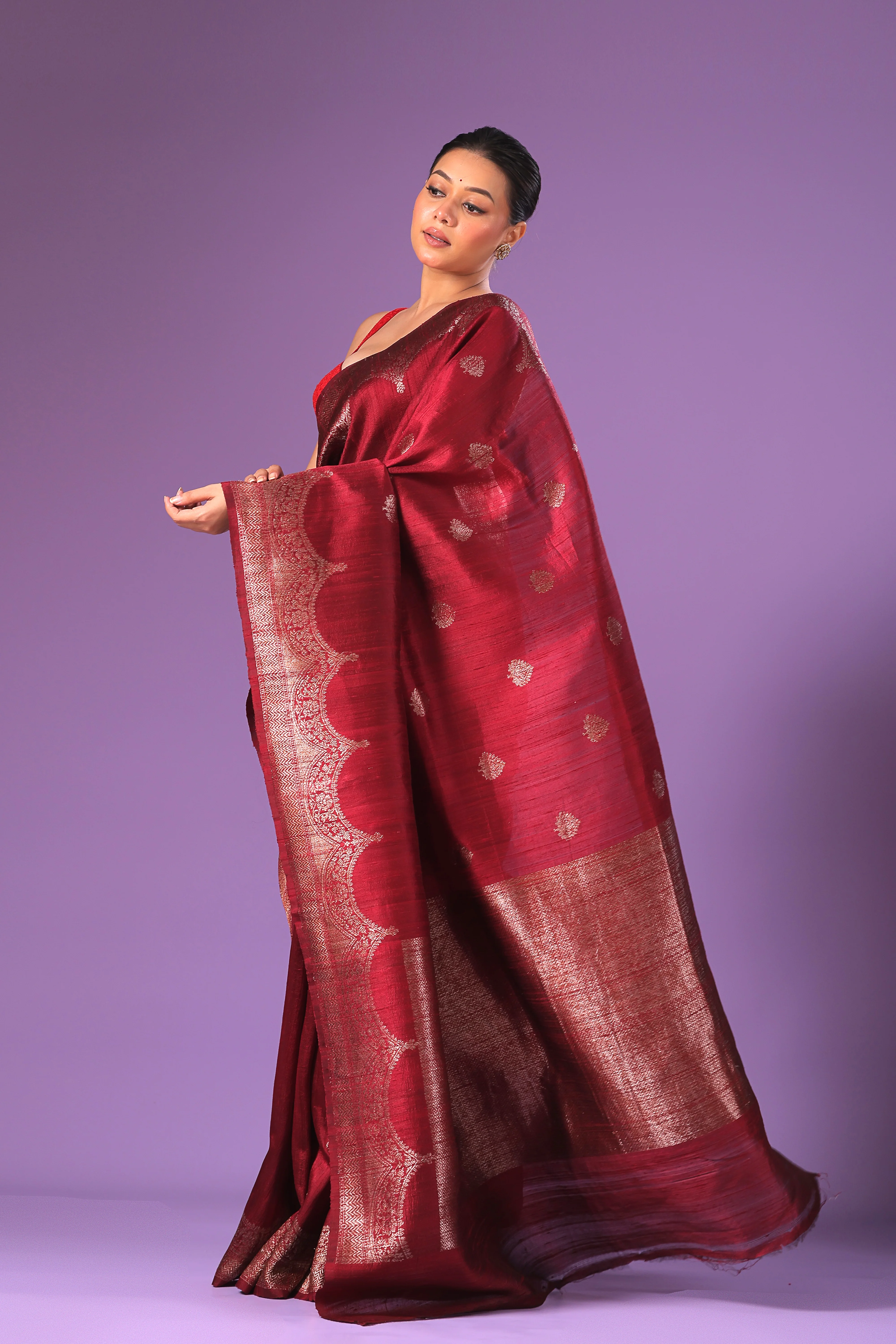
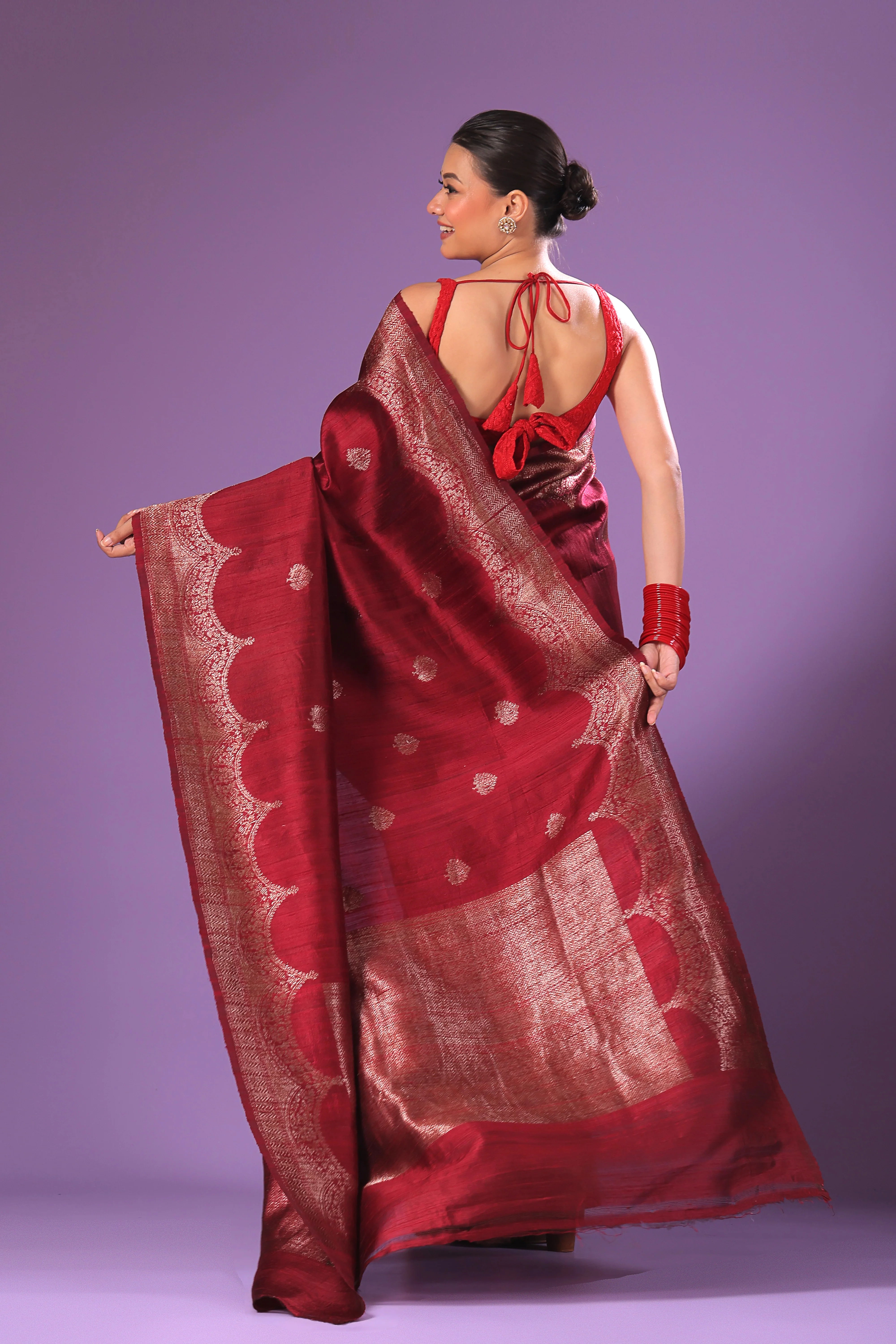
- Banarasi sarees are famous for their heavy, elaborate brocades, often involving intricate gold or silver zari work (metallic threads) or buti (floral motifs), Jaali (net-like patterns), and Paisley designs. The designs are often inspired by Mughal art, showcasing motifs like floral vines, peacocks, and paisleys.
- In a Raw Silk Banarasi Saree, the base raw silk fabric serves as the perfect canvas for these intricate and luxurious designs.
3. Designs and Motifs
- The motifs of Banarasi sarees are usually heavily inspired by nature, Mughal influences, and Persian art. Common elements include:
- Paisley: A droplet-shaped motif, often associated with royalty.
- Floral: Lotus, roses, and vines are commonly used.
- Geometric Patterns: Mandala-like patterns and interwoven designs.
- Jangla: A floral vine pattern that is often seen running along the borders.
4. Color Palette
- Banarasi sarees, especially in raw silk, are known for their deep, rich colors. Some common colors include:
- Red, Gold, Silver, Green, Royal Blue, Pink, Maroon, and Purple.
- The raw silk fabric’s natural sheen adds a subtle glow to these vibrant colors, enhancing the saree’s visual appeal.
5. Use and Occasions
- A Raw Silk Banarasi Saree is highly cherished for weddings, festivals, and other formal occasions. It is often worn by brides in many parts of India, especially in northern regions, for its opulence and traditional charm.
- The zari work (gold or silver thread weaving) gives it a royal and luxurious appearance, making it suitable for grand celebrations.
6. Care and Maintenance
- Raw silk is more delicate than regular silk, so extra care is needed while washing and storing the saree.
- It is best to dry clean a raw silk Banarasi saree to maintain its texture and shine.
- Storing: Keep the saree in a cool, dry place, and use a cotton or muslin cloth to wrap it to avoid direct contact with sunlight or moisture.
7. Price Range
- Given the labor-intensive weaving process, the use of pure silk, and the intricate zari work, Raw Silk Banarasi sarees can range from moderate to high-end prices. They are considered a luxury item and often passed down through generations as heirlooms.
8. Trends in Raw Silk Banarasi Sarees
- In modern times, designers are experimenting with different blends of raw silk and other fabrics while still retaining the classic Banarasi weaving techniques.
- Additionally, lighter weight versions of Banarasi sarees are becoming popular, making them easier to drape and wear, even for casual events.
A Raw Silk Banarasi Saree is not only a piece of clothing but a work of art that reflects centuries of craftsmanship and tradition.
Details & Craftsmanship
Every detail has been carefully considered to bring you the perfect product.
Details & Craftsmanship
Every detail has been carefully considered to bring you the perfect product.
Details & Craftsmanship
Every detail has been carefully considered to bring you the perfect product.
Details & Craftsmanship
Every detail has been carefully considered to bring you the perfect product.
Details & Craftsmanship
Every detail has been carefully considered to bring you the perfect product.
Description
A Raw Silk Banarasi Saree is a traditional Indian garment that combines the luxurious texture of raw silk with the intricate, rich weaving techniques of Banarasi craftsmanship. Here's a detailed look at what makes these sarees so special:
1. Fabric - Raw Silk
- Raw Silk (also known as 'Dupioni' or 'Shantung') is a type of silk fabric made from the fibers of silkworms that are spun without being processed to remove sericin (a natural gum). This results in a fabric that has a slightly textured, nubby surface, which gives it a unique, rustic sheen and feel compared to regular smooth silk.
- The fabric is less glossy than pure silk, with a more natural finish and a matte or semi-matte appearance, making it ideal for traditional and ceremonial wear like sarees.
2. Banarasi Weaving Style
- The Banarasi saree is a classic symbol of Indian heritage and is woven in Varanasi (Banaras), a city in Uttar Pradesh, which is renowned for its fine silk weaving.
- Banarasi sarees are famous for their heavy, elaborate brocades, often involving intricate gold or silver zari work (metallic threads) or buti (floral motifs), Jaali (net-like patterns), and Paisley designs. The designs are often inspired by Mughal art, showcasing motifs like floral vines, peacocks, and paisleys.
- In a Raw Silk Banarasi Saree, the base raw silk fabric serves as the perfect canvas for these intricate and luxurious designs.
3. Designs and Motifs
- The motifs of Banarasi sarees are usually heavily inspired by nature, Mughal influences, and Persian art. Common elements include:
- Paisley: A droplet-shaped motif, often associated with royalty.
- Floral: Lotus, roses, and vines are commonly used.
- Geometric Patterns: Mandala-like patterns and interwoven designs.
- Jangla: A floral vine pattern that is often seen running along the borders.
4. Color Palette
- Banarasi sarees, especially in raw silk, are known for their deep, rich colors. Some common colors include:
- Red, Gold, Silver, Green, Royal Blue, Pink, Maroon, and Purple.
- The raw silk fabric’s natural sheen adds a subtle glow to these vibrant colors, enhancing the saree’s visual appeal.
5. Use and Occasions
- A Raw Silk Banarasi Saree is highly cherished for weddings, festivals, and other formal occasions. It is often worn by brides in many parts of India, especially in northern regions, for its opulence and traditional charm.
- The zari work (gold or silver thread weaving) gives it a royal and luxurious appearance, making it suitable for grand celebrations.
6. Care and Maintenance
- Raw silk is more delicate than regular silk, so extra care is needed while washing and storing the saree.
- It is best to dry clean a raw silk Banarasi saree to maintain its texture and shine.
- Storing: Keep the saree in a cool, dry place, and use a cotton or muslin cloth to wrap it to avoid direct contact with sunlight or moisture.
7. Price Range
- Given the labor-intensive weaving process, the use of pure silk, and the intricate zari work, Raw Silk Banarasi sarees can range from moderate to high-end prices. They are considered a luxury item and often passed down through generations as heirlooms.
8. Trends in Raw Silk Banarasi Sarees
- In modern times, designers are experimenting with different blends of raw silk and other fabrics while still retaining the classic Banarasi weaving techniques.
- Additionally, lighter weight versions of Banarasi sarees are becoming popular, making them easier to drape and wear, even for casual events.
A Raw Silk Banarasi Saree is not only a piece of clothing but a work of art that reflects centuries of craftsmanship and tradition.